Просмотр новости
Найдите то, что Вас интересует
 Спутники
 РН
РН SpaceX
 Роскосмос
 NASA
NASA
СпутникиРНSpaceXРоскосмосNASAThis week, a powerful solar flare, followed by the ejection of millions of charged particles, hit Earth, producing auroras in unusual locations.
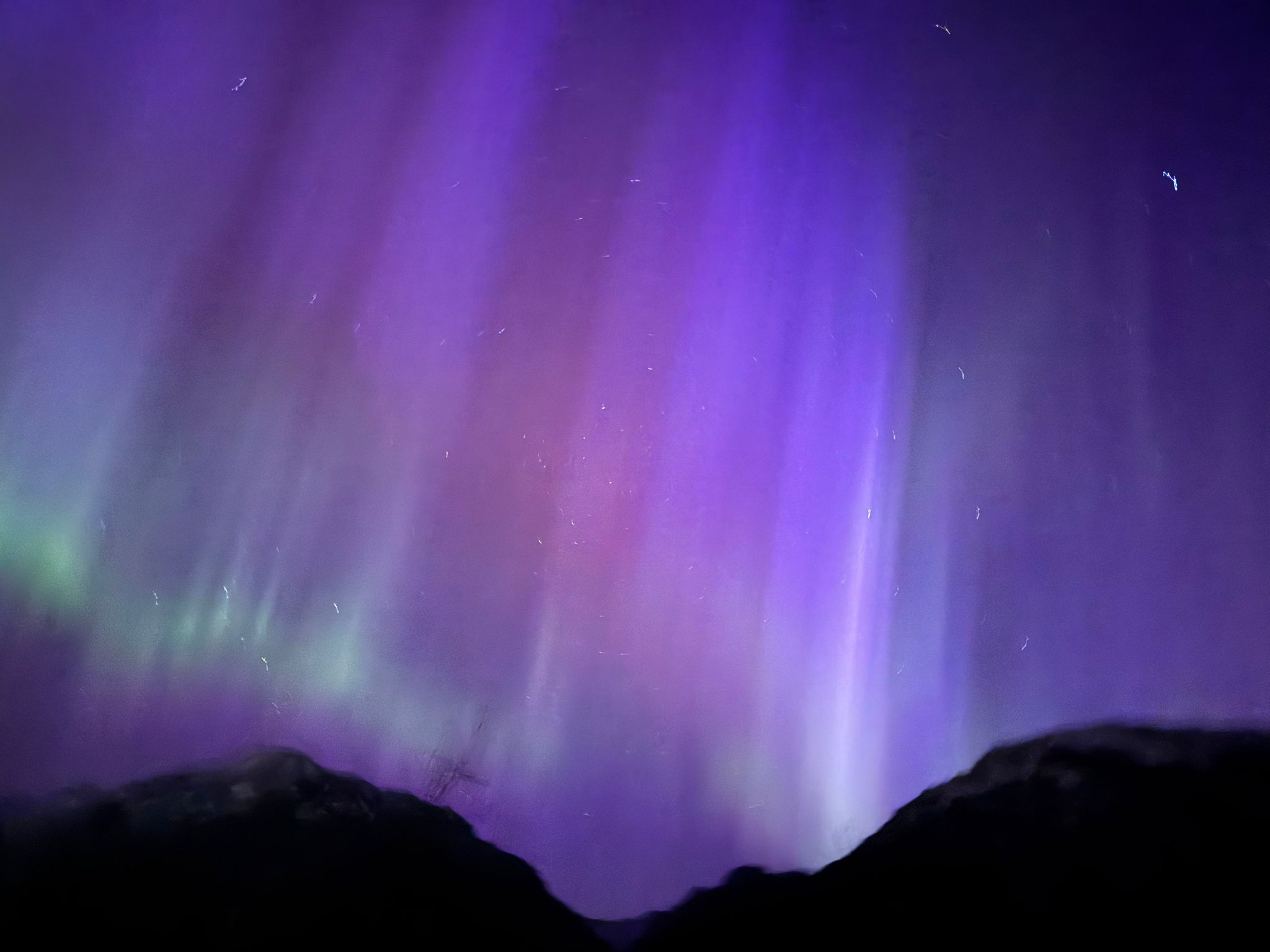 Purple, red and green aurora this week in the sky over Western Canada. The lights also hit Southern California and across much of Europe. Photo: Jerry Kobalenko
Earlier this week, Earth experienced the most intense solar radiation storm in more than two decades. The storm produced spectacular auroras visible far beyond their usual latitudes.
On January 18, an active region on the Sun unleashed an X1.9-class solar flare, one of the strongest types. A coronal mass ejection (CME), in which the sun expelled billions of solar particles, quickly followed.
The CME and X1.9-class flare happened to be directed toward our planet. As it slammed into our magnetosphere, the charged particles disrupted the magnetic field around Earth so much that the charged solar particles made it into our atmosphere. The particles’ interactions with atmospheric gases produce the colorful auroras.
The solar radiation storm has been graded S4, the strongest recorded since the solar storms of October 2003. The NOAA’s Space Weather Prediction Center confirmed that this level marks the highest radiation storm in over 20 years. It can impact aviation, satellites, and even astronauts in space. On Earth, this geomagnetic storm is powerful enough to disrupt power grids.
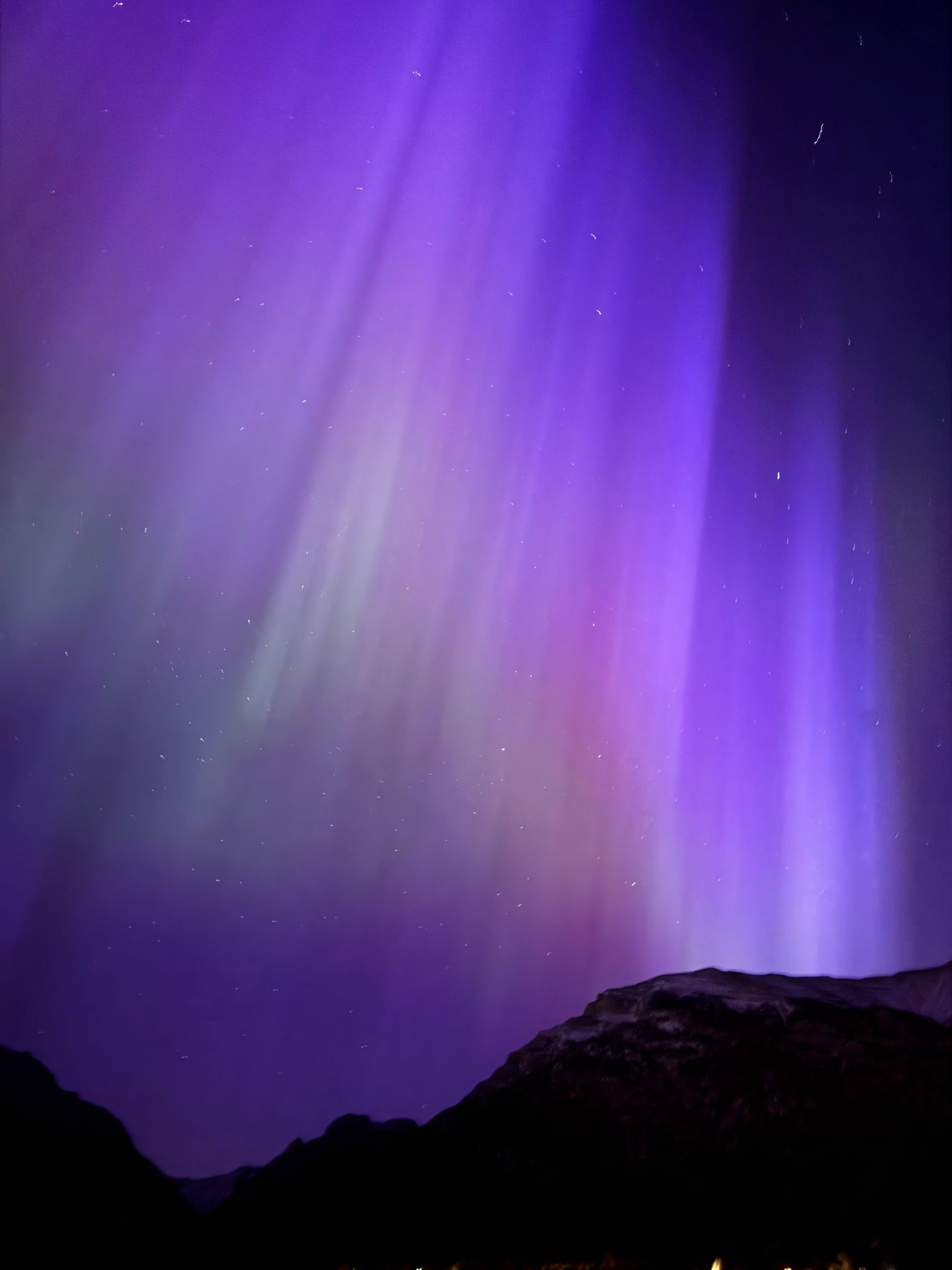
Photo: Jerry Kobalenko
As solar radiation storms consist of energetic particles that can penetrate spacecraft electronics and pose hazards to humans in space, the astronauts on the ISS prudently moved into certain sections of the station with increased shielding.
For those of us on Earth, the most visible effect of this storm was the Northern Lights (and, in parts of the Southern Hemisphere, the Southern Lights). Typically, these are only seen at high latitudes, peaking around 60° latitude. But this week, the waves of green, pink, and red light appeared as far south as Southern California and across large swathes of Europe.
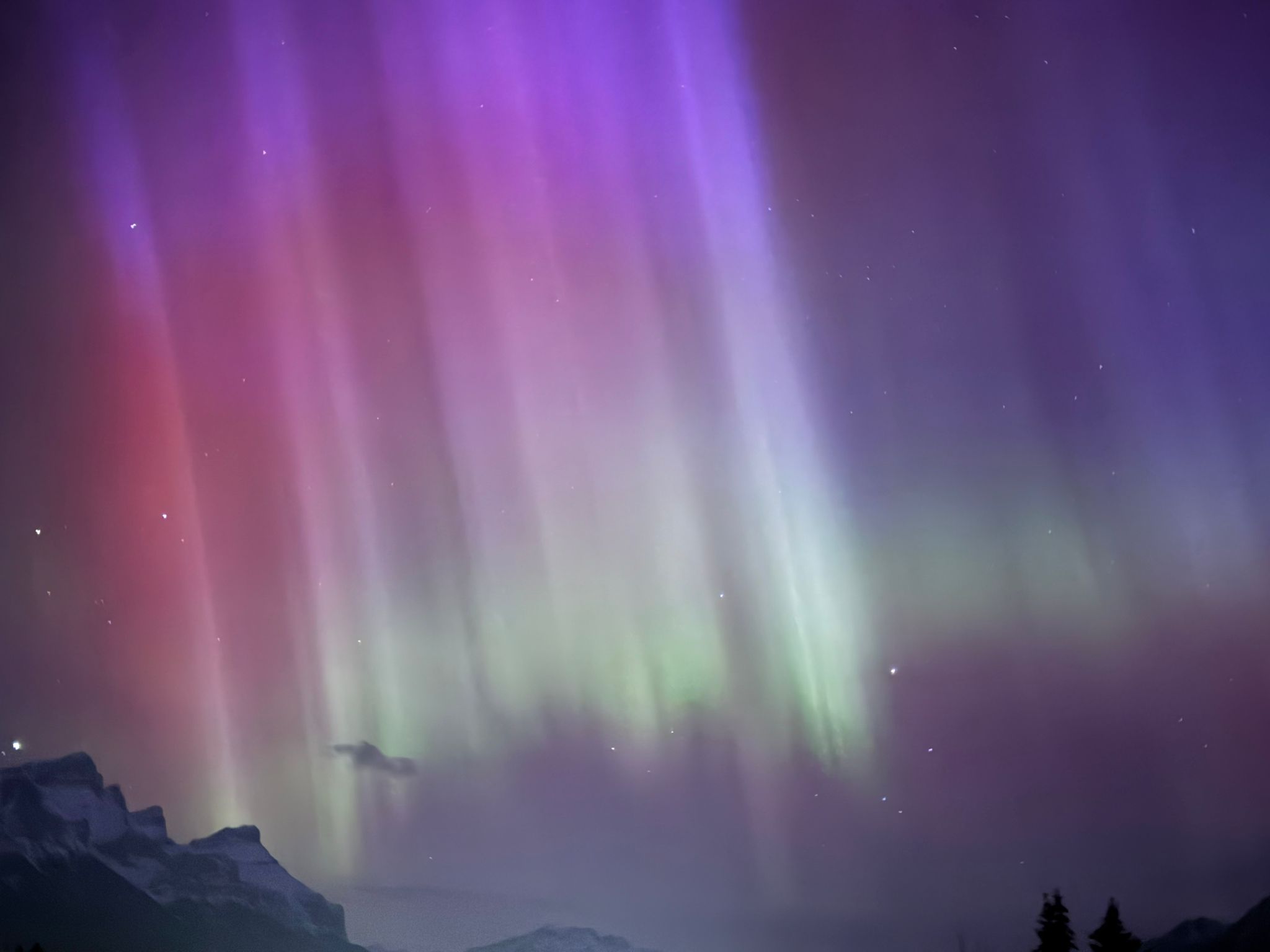
Photo: Jerry Kobalenko
Though the storm has mostly passed, more flares directed toward Earth may hit next week.
| # | Наименование новости | Тональность | Информативность | Дата публикации |
|---|---|---|---|---|
| 1 | Where northern lights may shine amid geomagnetic storm watches | 0 | 7.84 | 27-08-2026 |
| 2 | Фатальный удар: рекордные пятна на Солнце вызовут магнитный шторм | -2 | 7 | 29-06-2026 |
| 3 | На Солнце зафиксировали самую мощную за две недели вспышку | 0 | 14.17 | 22-07-2026 |
| 4 | На Солнце появились два гигантских пятна размером с десять Земель: что это значит для Земли и почему учёные говорят о «пике штормов» | 0 | 7 | 06-07-2026 |
| 5 | Solar storms leave their mark on cosmic rays that reach Earth | 2 | 7 | 29-06-2026 |
| 6 | На Солнце произошла сильная вспышка | 0 | 0 | 24-09-2025 |
| 7 | Рекордные пятна на Солнце – к Земле идет магнитный шторм | 0 | 8 | 02-07-2026 |
| 8 | Scientists discover towering red auroras reaching deep into space above Japan | 0 | 7.7 | 22-05-2026 |
| 9 | На Земле ожидают магнитную бурю | 0 | 10 | 02-08-2026 |
| 10 | На Солнце произошел крупный выброс плазмы в сторону Земли | 0 | 0 | 03-10-2025 |