Просмотр новости
Найдите то, что Вас интересует
 Спутники
 РН
РН SpaceX
 Роскосмос
 NASA
NASA
СпутникиРНSpaceXРоскосмосNASA
Georgia’s harm reduction workers provide frontline care. But as the government pushes strict new drug laws, these groups hang by a thread.
‘The other day, someone was screaming for “narkan” [naloxone] at my doorstep — I always carry one in my purse’, Tamuna Gakhokidze, a social worker at harm reduction organisation Hepa Plus, tells OC Media.
‘I’ve had calls in the middle of the night, early in the morning […] They [people who use drugs] know that I don’t mind the time, and they can wake me up so I can help. We’re all like this here, soldiers who save lives’.
Driving at night to another village to care for a man who has overdosed; spending a music festival cradling a girl on a bad trip; testing a drug found randomly by passersby under a rock — these are the testimonies from harm reduction organisations all over Georgia.
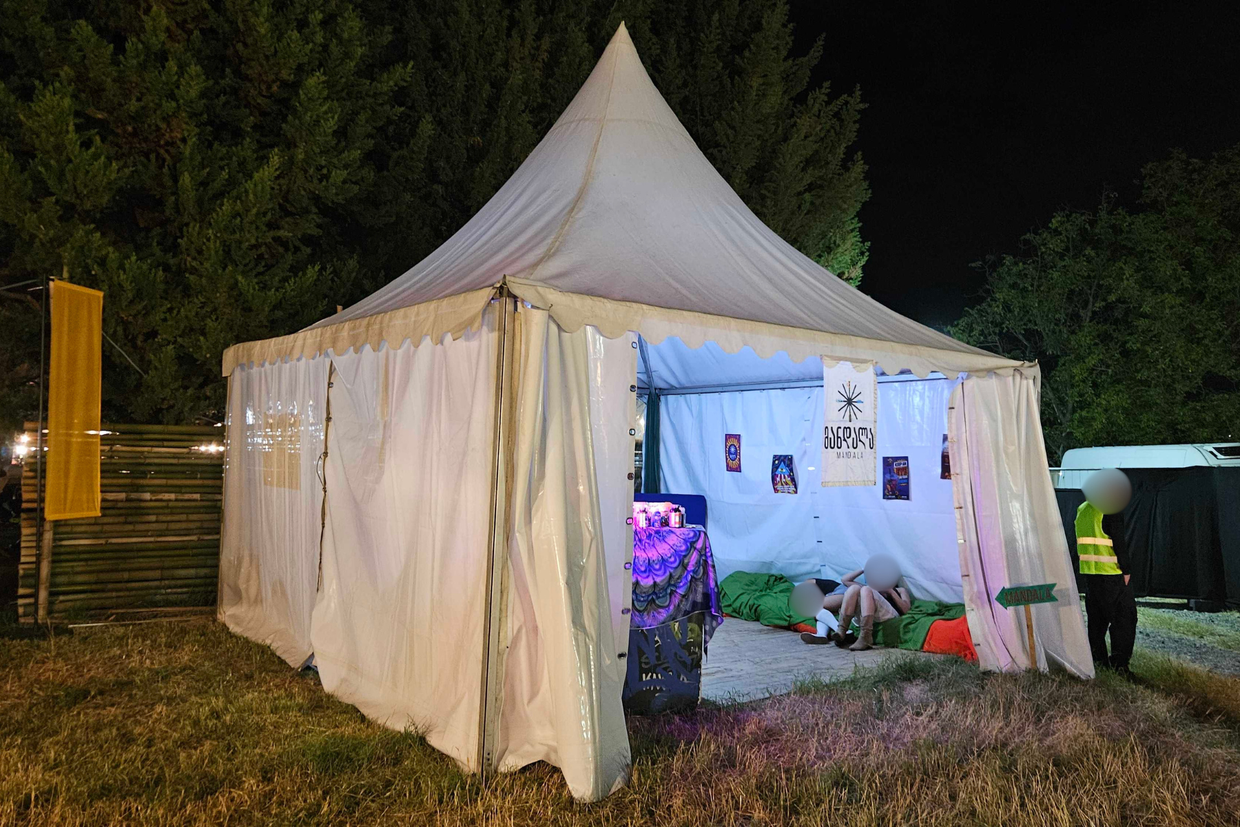 A recovery tent organised by Mandala at a music festival in Georgia. Photo: Tamuna Chkareuli/OC Media.
These organisations spoke to OC Media about their decades of work creating safe spaces away from the eyes of the police, highlighting their aims to meet people who use drugs wherever they are — in recovery clinics, by methadone programme centres, or simply in their neighbourhoods. But as the Georgian Dream government intensifies its repressive drug policy, these community organisations are hanging by a thread, with funding uncertainty and the threat of stricter legislation.
‘There are no quality drugs sold in Georgia’Gakhokidze’s journey in harm reduction work began with a job offer from Manana Sologhashvili , a psychologist she met while serving time in prison. Very open about her incarceration from 2004–2012, as well as her positive HIV status, Tamuna struggled to find employment. She would often refer people to Sologhashvili’s organisation, Hepa Plus, and eventually she was hired to provide support as someone with lived experience, a person who could talk to beneficiaries with empathy, sometimes all night long.
‘If you don’t have personal experience, you won’t stay up for someone you don’t know’, Gakhokidze tells OC Media.
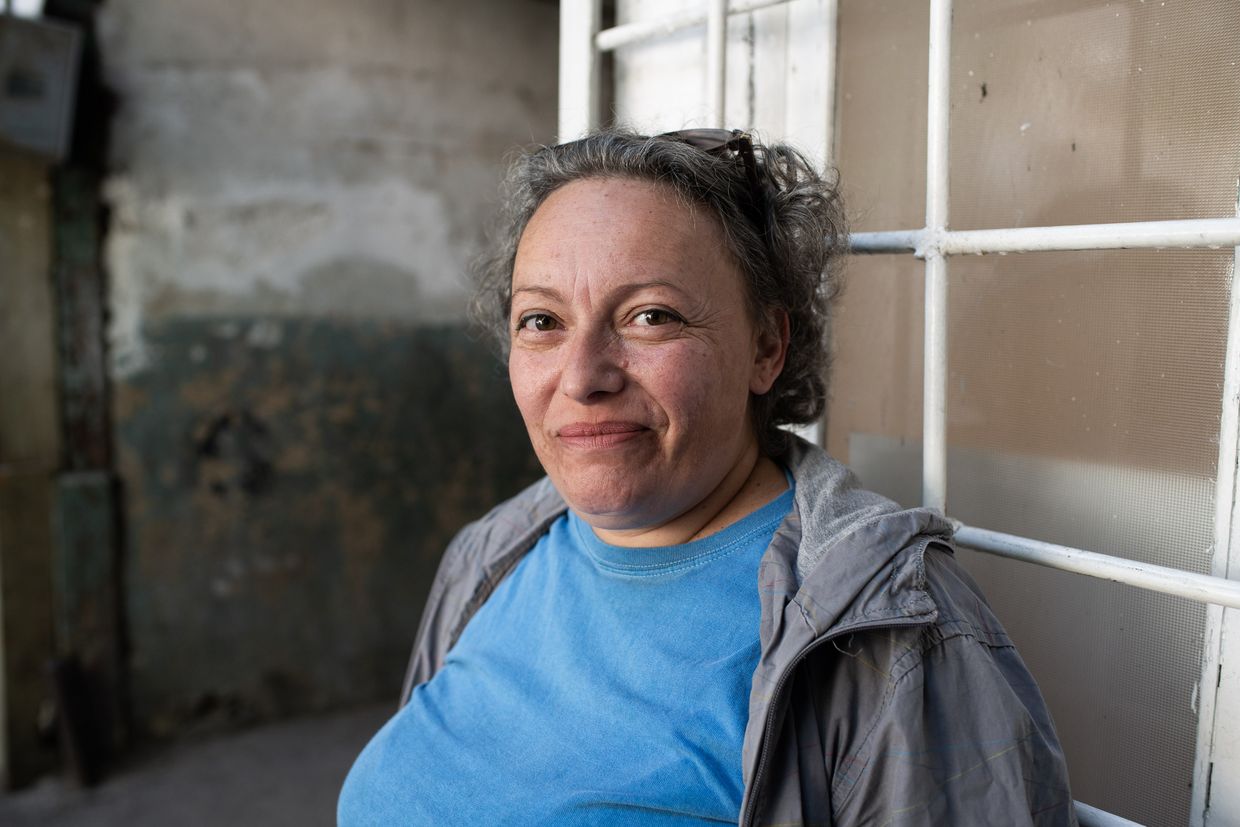 Tamuna Gakhokidze. Photo: Tamuna Chkareuli/OC Media.
Hepa Plus’s main focus is towards those who inject drugs and their sexual partners. Employees distribute safe injection materials, run HIV and Hepatitis C tests and refer people to public programmes, sometimes literally walking with them to treatment centres, and sometimes simply having coffee with people who come in.
Sologhashvili, who founded Hepa Plus in 2010, decided that her social workers would only be former or recovering addicts, people with a background that would allow them to reach their beneficiaries on the streets — ‘They see that these people are recovering, working, and they trust them more’.
At Mandala, another harm reduction organisation, there are often people already waiting before opening hours with an unknown substance in hand to test. Their unique service of drug checking is in high demand, as people often buy a mystery substance from an illicit source or find drugs and don’t know how to use them.
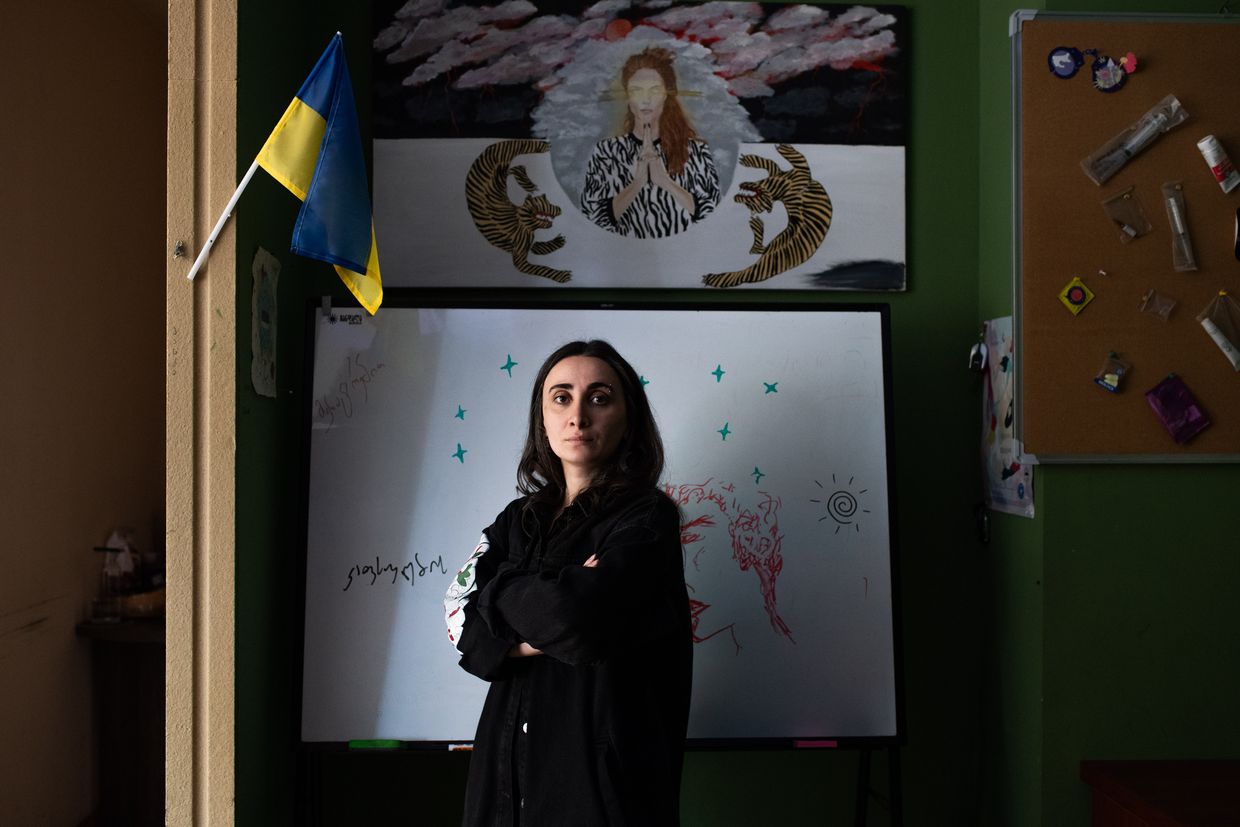 Salome Shamanadze. Photo: Tamuna Chkareuli/OC Media.
‘It’s especially common now that they don’t know what they’ve found and it turns out to be methadone crystals. There are no quality drugs sold in Georgia, only bad or worse [ones]’, Salome Shamanadze, an addiction researcher and psychotraumatologist at Mandala, tells OC Media.
Mandala founder Temo Khatiashvili uses a special test kit on the white powder left today — it turns out to be cocaine. Normally, while testing the product, Khatiashvili seizes the moment to explain how to use the drug safely and what to watch for.
Mandala has been providing drug checking services at festivals for eight years, pitching a tent where people can check their drugs or get help. Khatiashvili says that it’s often hard to call an ambulance at a festival — it could be located too far away, or people in distress might simply prefer someone with experience over a doctor’s judgmental eye and further explanations.
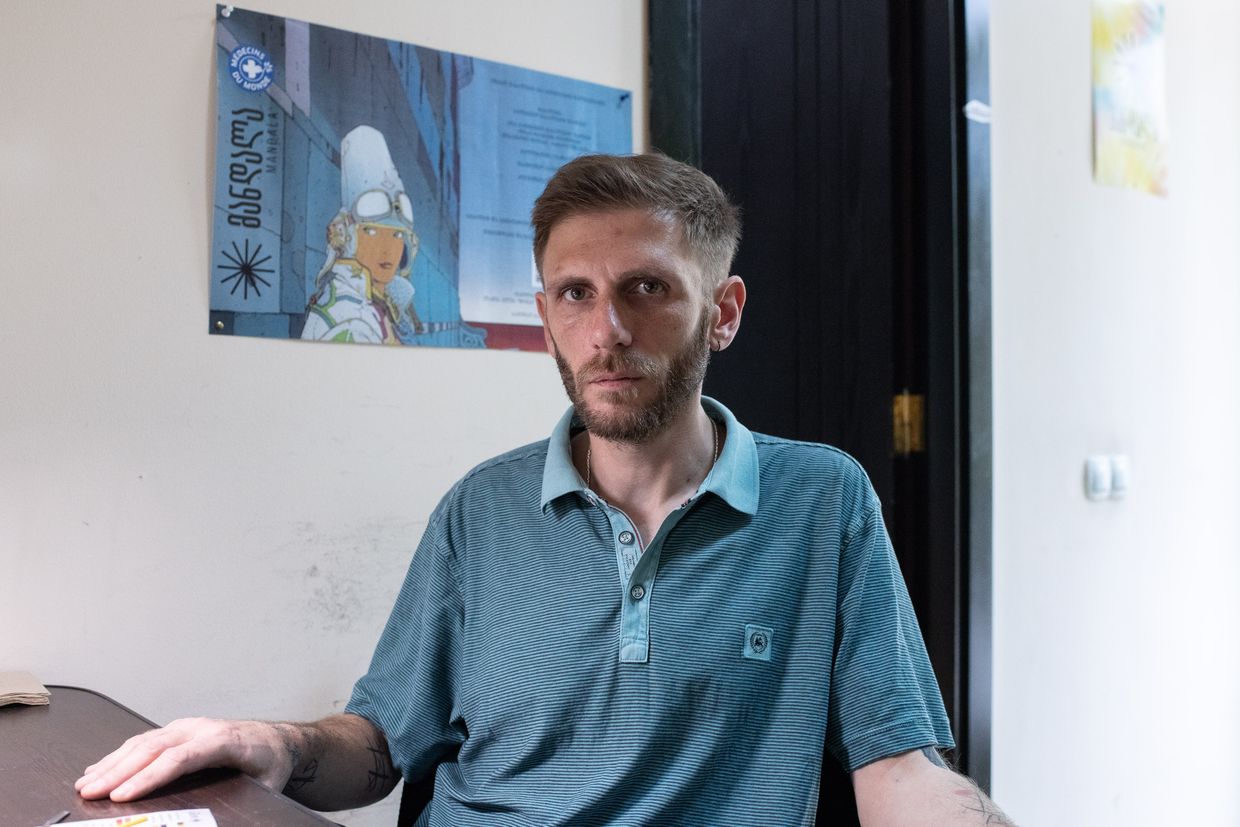 Temo Khatiashvili. Photo: Tamuna Chkareuli/OC Media.
‘When I started using drugs, until I tried everything on myself, until I “broke my nose” on every substance, every dose, every mix, I didn’t understand what was a myth and what wasn’t’, Khatiashvili says.
Having spent 15 years using drugs, he now finds that the most valuable moments of his work are when young people and teens trust him, learning from him without even realising it.
‘Mandala is the only place where a person who just turned 18 and is planning to take something in the club can come and safely say: “Here’s what I plan, how do I do it without dying?” Parents, doctors, psychologists, or even friends won’t explain this to them’.
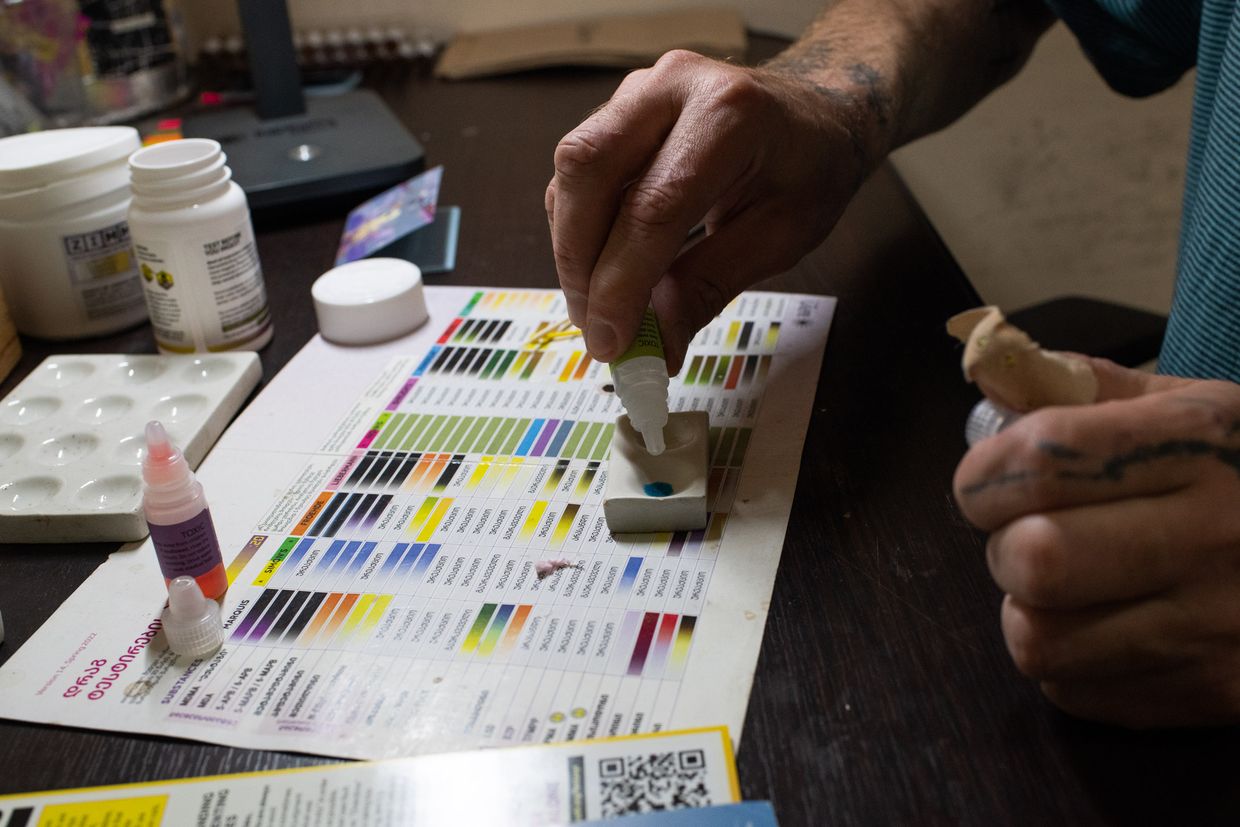 Temo Khatiashvili tests a drug at the Mandala centre. Photo: Tamuna Chkareuli/OC Media.
Both of these centres work in Tbilisi, where there are a few organisations that support people who use drugs. Harm reduction centres in the regions, however, often have to arrange trips to villages, using makeshift testing labs for HIV/Hepatitis C with limited resources.
Otar Jejeishvili, a methadone programme participant, founded one such space — Phoenix-2009 — with other patients in Ozurgeti 17 years ago. He tells OC Media that he often has to mitigate withdrawal symptom crises on the phone in the middle of the night, and even administer naloxone since the local hospital has a shortage.
‘They don’t call the ambulance anyway, because if they do, it always comes with police who start to ask questions, where you bought it, from whom, and so on’, Jejeishvili says.
He notes that around 400–500 people come to Phoenix-2009 on a monthly basis, adding that the organisation’s resources are stretched thin due to being the only beacon of harm reduction in the area.
Review | Nobody in Sight — one man’s fight with addiction and loneliness in Tbilisi
 OC MediaXandie (Alexandra) Kuenning
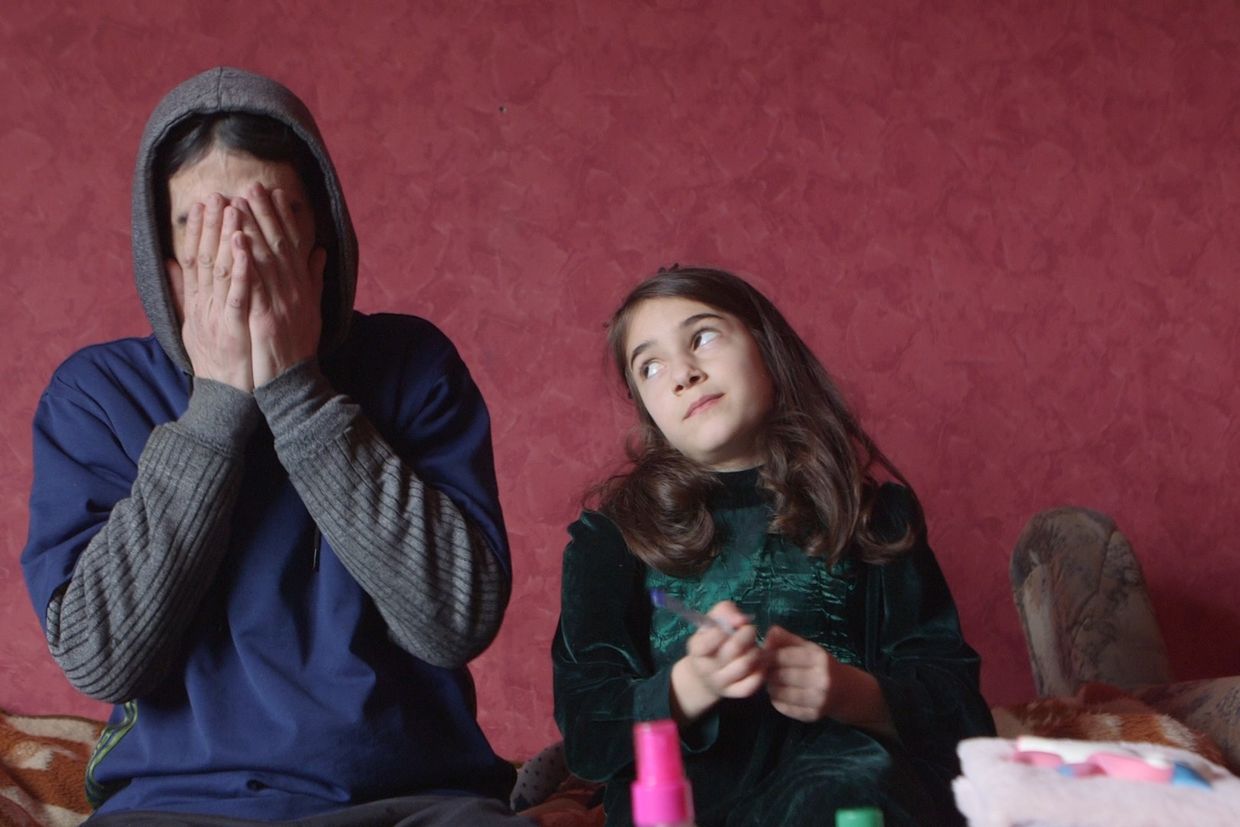
In Georgia’s hostile climate, spaces such as Hepa Plus, Mandala, and Phoenix-2009 are among the very few places where people who use drugs feel safe. Yet all of these organisations, as well as others in the Georgia Harm Reduction Network that OC Media spoke to, have found their future questionable. Despite decades of serving thousands of people who use drugs, largely through a mix of foreign grants and the Global Fund HIV/AIDS programme, the Georgian Dream-led government has become increasingly restrictive, including flat-out refusing more funding.
Georgian Dream tightens the financial boltsHepa Plus founder Sologhashvili highlights that funding for her organisation is split between the Global Fund grant and the Médecins du Monde programme for hepatitis. The split funding is the case for most organisations, but with dependence on Georgian Dream’s bureaucratic apparatus, they never know if the funding will be continued in the future.
Global Fund co-funds AIDS, tuberculosis, and malaria programmes in Georgia through the National Centre for Disease Control (NCDC), which, in turn, holds an annual tender call for services. The AIDS programme is directly tied to people who use drugs and their sexual partners, so in harm reduction spaces, this money pays for HIV test kits, part of the staff salaries, and, in some cases, rent.
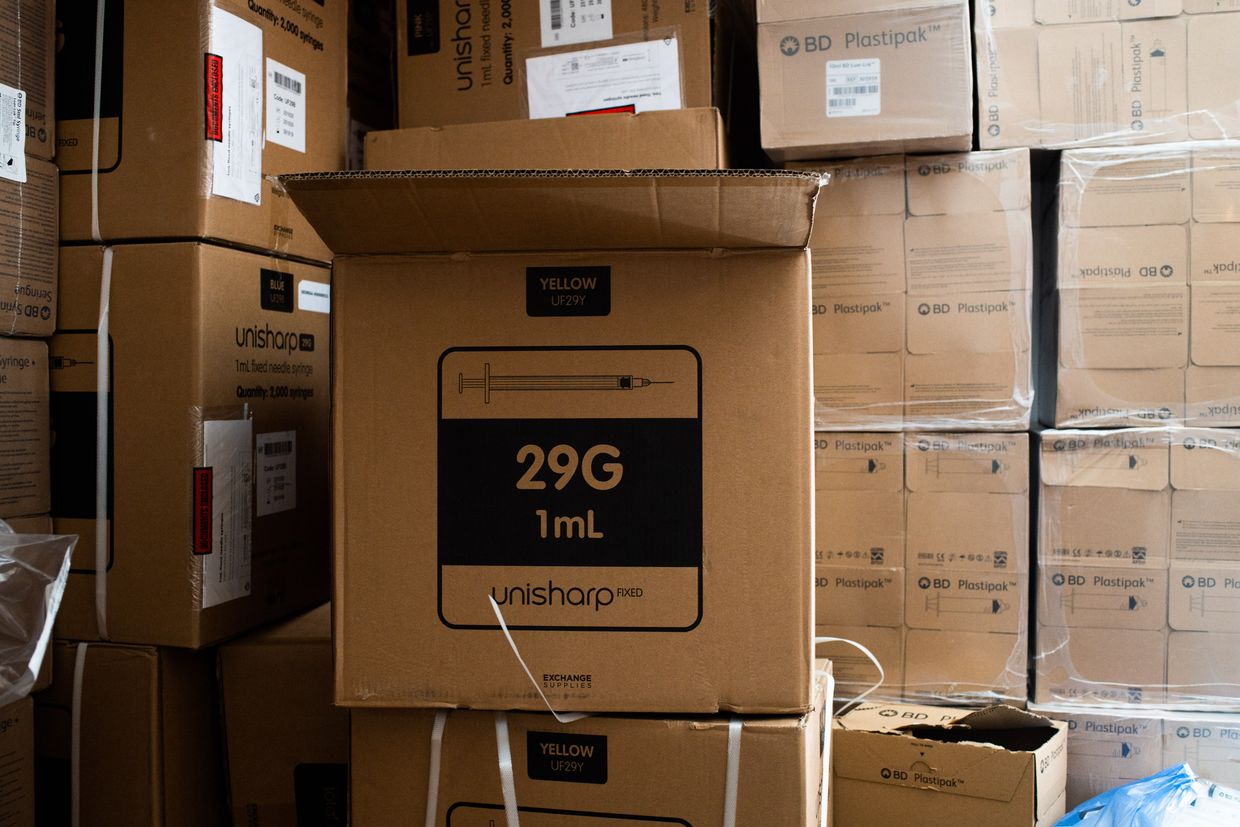 Shipments of safe needles. Photo: Tamuna Chkareuli/OC Media.
The Georgian Harm Reduction Network (GHRN) won the tender year after year — ‘Because the requirements are so specific, the barrier is high, and our network is equipped for them’, GHRN coordinator Maka Gogia tells OC Media. This year the call was not announced until August, and the entire network spent months in fear of closure.
‘The idea with Global Fund was that the government would eventually take over and support the network with its own resources. But they only finance four organisations at the moment’, Maka Gogia says.
After a few months of erratic 1-2-month contracts, the updated tender call was announced on 4 August; the bidding will start at the end of the month. It is yet unknown if the other competitors will enter the call. The key differences, according to GHRN executive director Kakha Kvashilava, will be in staff changes and distribution.
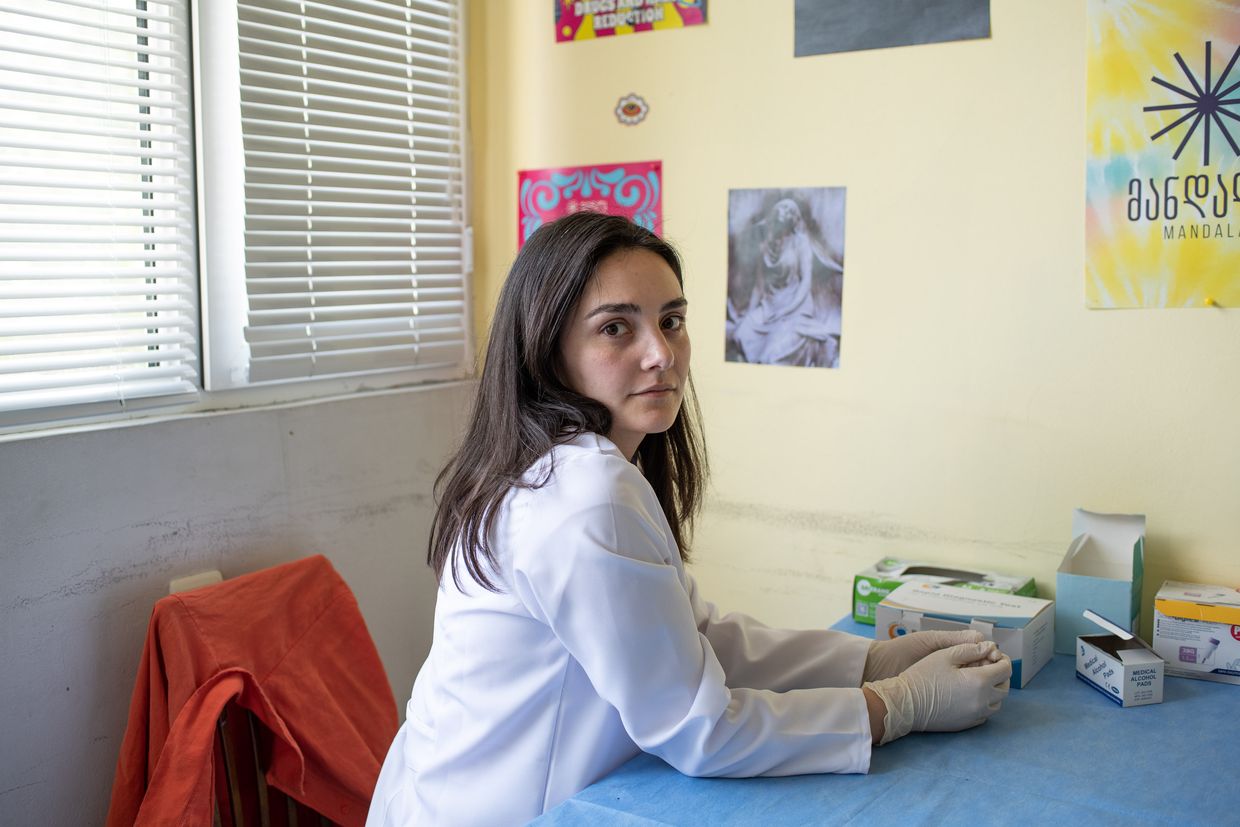 Mariam Mukbaniani, a nurse at the Mandala centre. Photo: Tamuna Chkareuli/OC Media.
‘In all of our centres, people work on a very low salary, and the staff is leaving at high rates — people whom the Global Fund invested a lot in. Now with some management positions eliminated, we will lose even more staff’, he says.
The Health Ministry has not responded to OC Media’s request for comment on the tender call as of publication.
As for direct foreign grants, they depend on whether the Georgian Dream government finds them suitable, according to the new grant law which requires funding to receive prior approval from the government. Mandala’s drug checking programme received an official refusal letter from the government office, and it’s unclear if an appeal is possible.
Georgia adopts new grant restrictions and bans questioning government legitimacy
The amendments were supported by 78 MPs, while nine voted against them.
‘After futile calls, I realised that it was a personal decision of the minister and managed to meet him informally’, Khatiashvili says. ‘He said there must have been some procedural error and asked me to email him everything again’.
Khathiashvili hasn’t heard back since. With one source of funding cut off and the other pending, Mandala is under existential threat.
‘There’s a 90% chance we’re closing after August’, he warns.
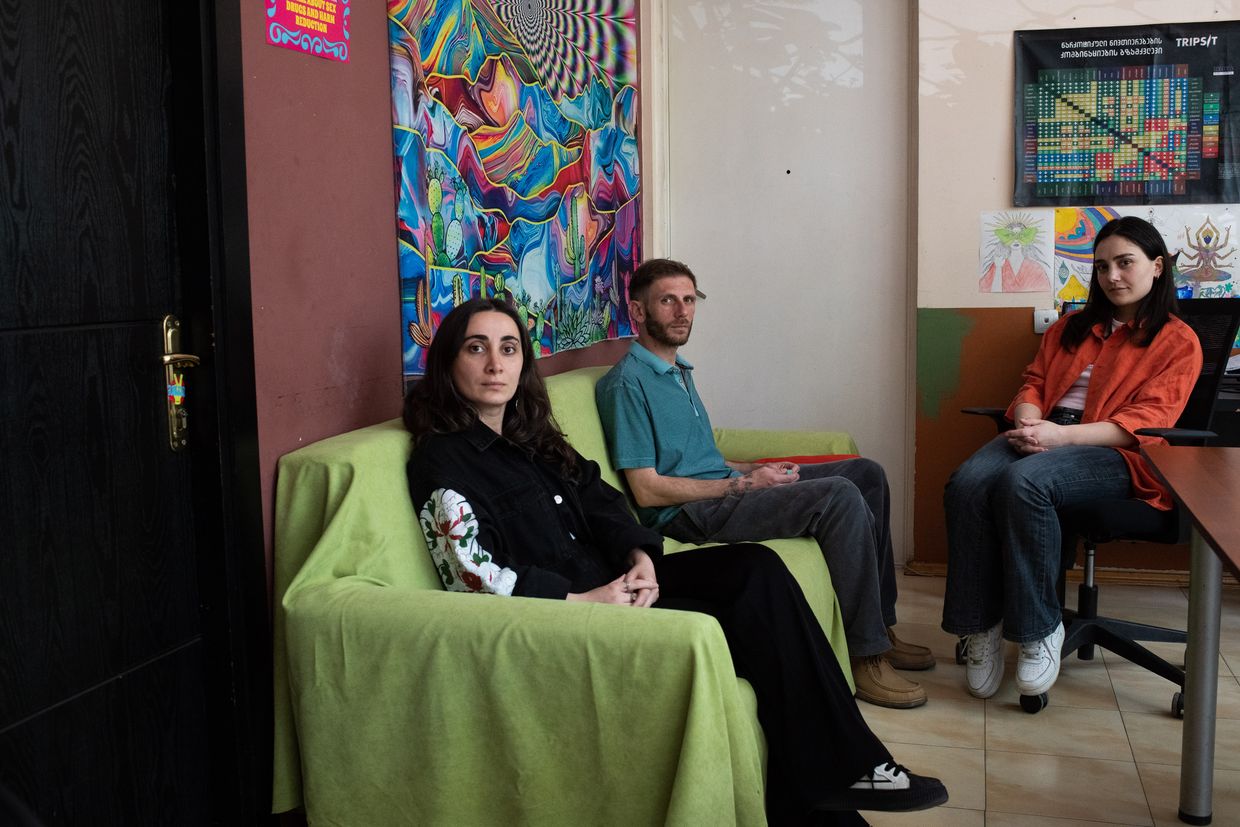 The staff of the Mandala centre sit in their office. Photo: Tamuna Chkareuli/OC Media.An escalating state crackdown
Many who work in the field also share a sense of pessimism over the harsh methods the government has taken in regards to addicted people, from opioid agonist treatment to forceful rehab admittance.
Georgia’s Drug Prevention Strategy uses two substances in their opioid agonist therapy: methadone and buprenorphine-naloxone, commonly known as suboxone. In its classic form, this therapy is meant to reduce harm by providing safe, manageable means for opioid cravings while offering additional support to people who use them. It is not meant to cure addiction, but to reduce withdrawal symptoms and make the addiction manageable, taking beneficiaries off the street and reintegrating them into society.
However, in Georgia, this has become nearly impossible.
The public programme requires the patient to show up every day, often in a remote location. Police are frequently stationed around these methadone-suboxone programme centres, selectively checking if someone has smuggled out the drugs in question. Patients and harm reduction workers both say that going through the humiliating checks in run-down centres under the eye of the police drives people with opioid addiction away from the programmes.
‘The people coming here are like dogs on a chain, only allowed to run in the yard’, Gakhokidze says.
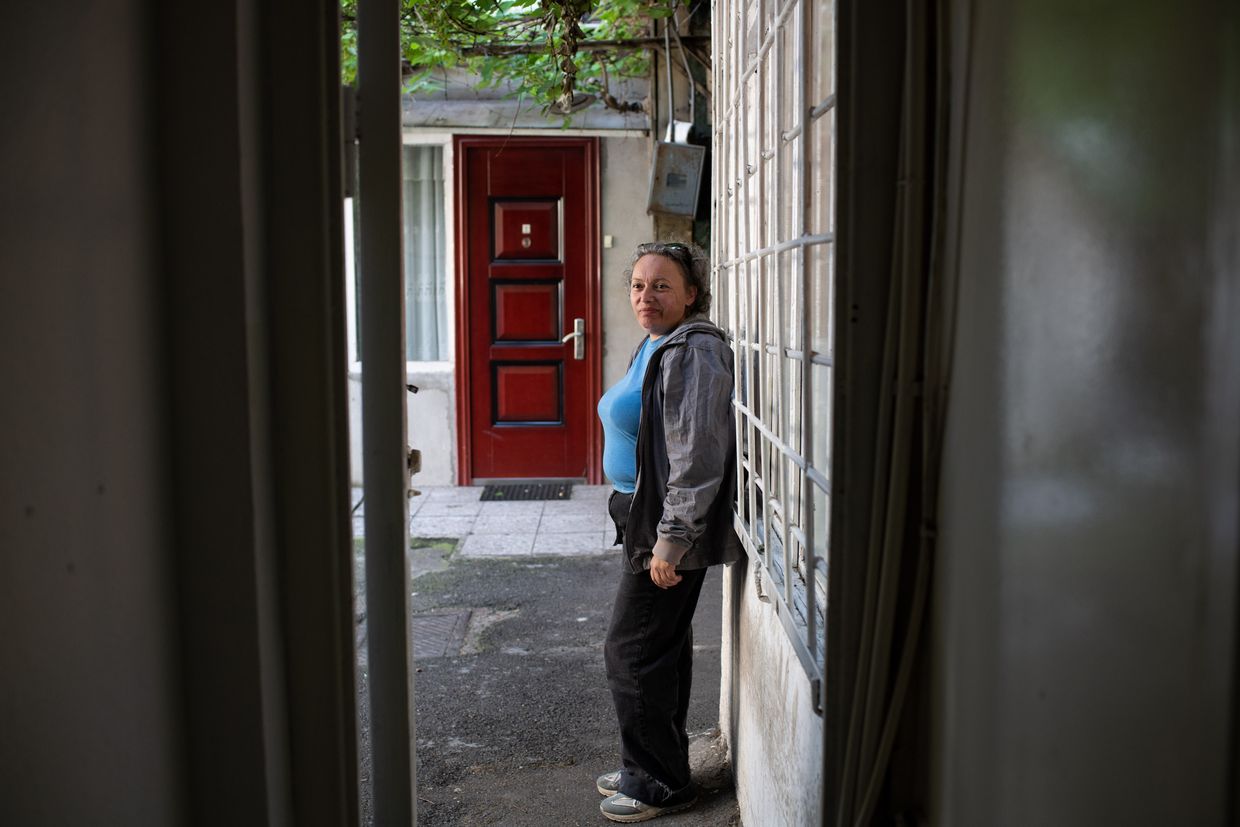 Tamuna Gakhokidze. Photo: Tamuna Chkareuli/OC Media.
In 2025, the government monopolised the opioid management programme by banning independent centres from providing suboxone — methadone had already been banned from private treatment in 2017.
‘There is a well-founded assumption in society that the services provided by private companies, in many cases, aim not at curing the patient, but at legally supplying them with narcotics’, Prime Minister Irakli Kobakhidze claimed in June 2025, while announcing the changes.
While Khatiashvili admits that methadone and suboxone were indeed being smuggled out of the private programmes, something he also once did, he argues that the alternative would be buying a poorly made substance made in someone’s basement.
‘I took it out with a clean, sterile glass and shared it with three friends at home’, he says, adding that otherwise those friends would use contaminated heroin or other home-made mixes. ‘It’s wrong to encourage smuggling, but at least that way the medication reached the people who needed it’.
In his same announcement in June 2025, Kobakhidze said the centres would be ‘moved away from the general densely populated areas’, claiming they had been causing a ‘well-founded dissatisfaction among the local population’.
The decision hit particularly hard in Kutaisi, where the centre was moved to the outskirts of the city and now stands in the field, adjacent to a former Soviet-era factory. Zaza Karchkhadze, an experienced patient and an activist from the local harm reduction organisation Rubicone, shared photos and videos of the centre with OC Media: a small, two-storey building with minimal comfort, and a steep staircase to the second floor.
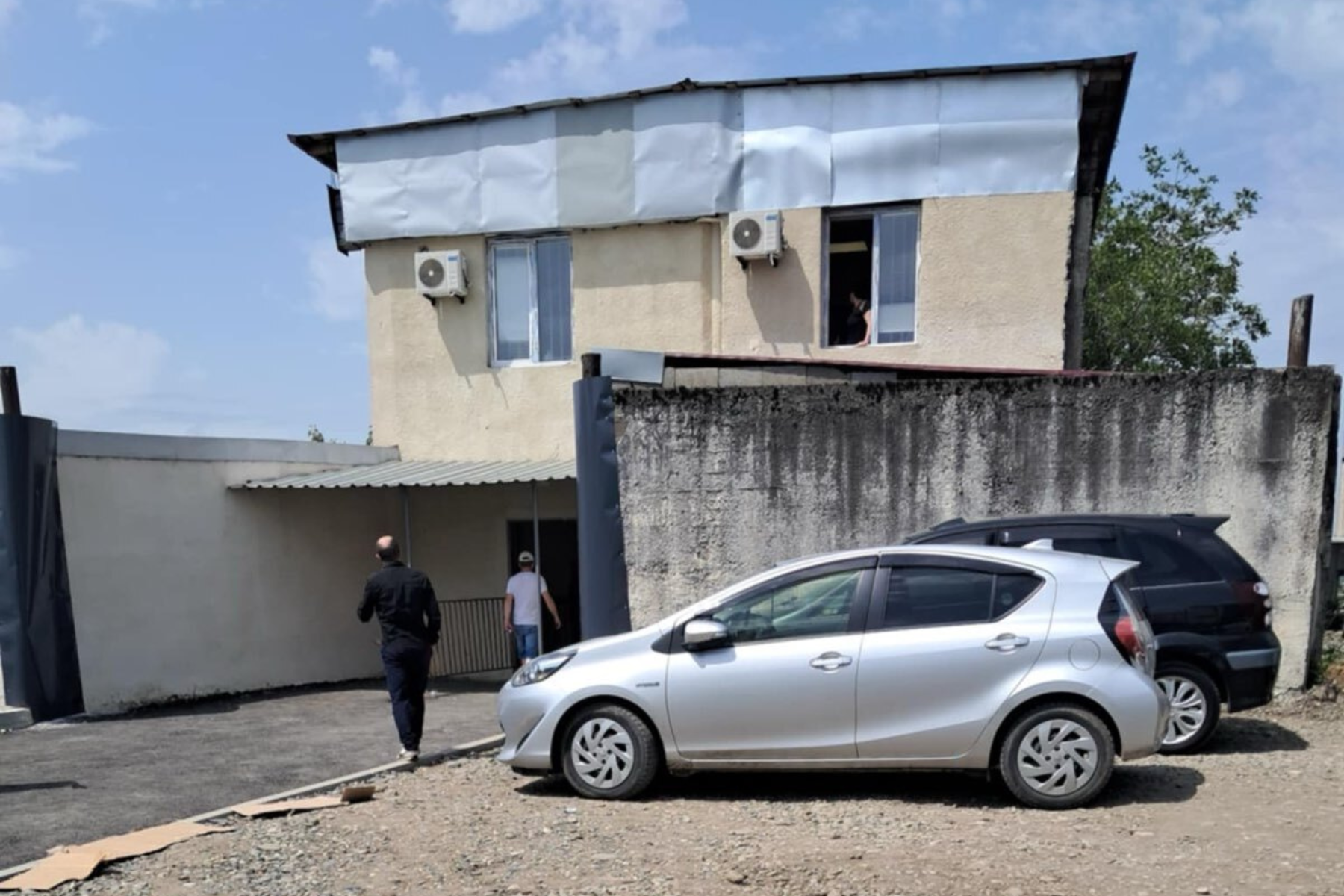 The harm reduction centre Rubicon in Kutaisi. Photo courtesy of Zaza Karchkhadze.
‘If we take into account that many of the people who are in the programme have all kinds of health issues, tuberculosis, or have to use crutches, moving this centre so far away significantly complicates their lives’, Karchkhadze says.
He highlights that around 1,500 people visit this centre on a daily basis, standing close to each other and overcrowding the small space, creating further health risks for themselves and the personnel. The staircase is so steep that doctors have to go down, instead of the patients going up, violating the right to privacy.
‘Everyone who comes here feels humiliated, that they are not considered human beings, you know? That is the kind of attitude they have there’, Karchkhadze says.
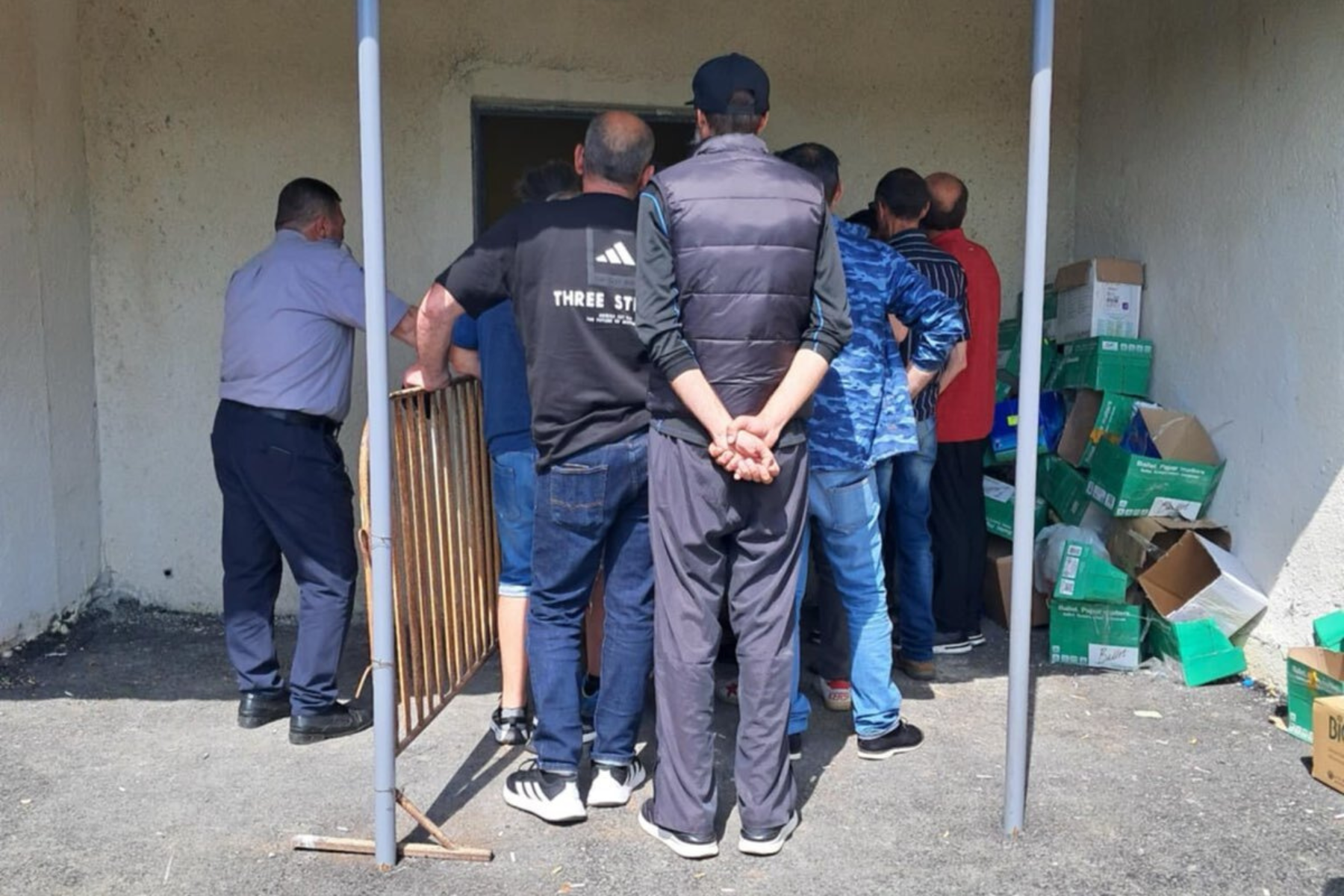 Locals line up outside the harm reduction centre Rubicon in Kutaisi. Photo courtesy of Zaza Karchkhadze.
There are currently 21 therapy centres around Georgia: nine in the capital Tbilisi and another 11 in the regions. According to January 2026 data provided by the Centre of Mental Health and Prevention of Addiction, 12,444 people are enrolled in the methadone programme, with another 1,589 enrolled in the buprenorphine-naloxone programme, bringing the overall number to over 14,000 users. The overall estimate of people who inject drugs is around 50,000, according to a 2022 study. According to specialists, this number is only likely to go up now that the choices for users attending private clinics is to either enrol in a public programme or look to the streets for supplies.
‘People who were not going to enroll in the programme because of the stigma, will not enrol now’, director of the private recovery centre Uranti and Federalist Party member Zura Sikharulidze says.
According to Sikharulidze, only around half of his patients from Uranti and the Georgian Addictology Medical Corporation, around 600 people, enrolled in the state programme. The rest chose to stay ‘outside’; not in the least because of the government’s initiative to make a registry of all patients.
The government has also launched a ‘mandatory recovery programme’ where users are held in special inpatient centres in Tbilisi and Kutaisi as a punishment for violating the criminal code. The success of the programme is yet to be assessed.
The monopolised recovery programmes, police control and increased sentences, and mandatory registries continue to drive people with addiction away from the state, which creates double the effort for the harm reduction community, already stretched thin. For now, the network functions on solidarity and understanding between the outreach workers and people with addiction:
‘For all our beneficiaries, we social workers are equals. They don’t need punishment and exclusion from society; they need love, and standing by their side will do much more for them’.