Просмотр новости
Найдите то, что Вас интересует
 Спутники
 РН
РН SpaceX
 Роскосмос
 NASA
NASA
СпутникиРНSpaceXРоскосмосNASAIntroduction Chronic kidney disease (CKD) affects more than 10% of the global population. Sarcopenia is a prevalent complication in CKD, especially in kidney failure patients undergoing maintenance hemodialysis (MHD), contributing to disability, hospitalization, and mortality. Multiple factors can cause sarcopenia in this population, including malnutrition and inflammation. Albumin is a well-established nutritional marker of malnutrition, while neopterin, an immune activation marker of malnutrition, has never been studied in sarcopenia in this population. Methods We conducted a cross-sectional study among adult kidney failure patients undergoing MHD. Serum albumin and neopterin were examined as biomarkers of malnutrition and inflammation alongside demographic and clinical data that also serve as risk factors. Sarcopenia was diagnosed according to the Asian Working Group for Sarcopenia-2 (AWGS-2) criteria, using a bioelectrical impedance analyser (BIA), handgrip strength (HGS), and the 6-meter walk test. Statistical analyses included bivariate correlations and multivariate classification and regression trees (CART) analysis. Results The incidence of sarcopenia among 88 kidney failure patients undergoing MHD was quite high, affecting 52 subjects (59%), and 29 subjects (33%) were classified as severe sarcopenia. Albumin and neopterin, as biomarkers of malnutrition and inflammation, remain important variables in the incidence (accuracy 87.5%, area under the curve (AUC) 91.83%) and severity (accuracy 88.46%, AUC 91.83%) of sarcopenia among kidney failure patients undergoing MHD in multivariate analysis using classification and regression trees (CART). Conclusions Low serum albumin indicated malnutrition, and high serum neopterin indicated inflammation, becoming a potential biomarker in the incidence and severity of sarcopenia among kidney failure patients undergoing MHD.
Chronic kidney disease is a major global public health challenge due to its high morbidity and mortality. According to the Kidney Disease: Improving Global Outcomes (KDIGO) guideline 2024, CKD is defined as abnormalities in kidney structure or function for ≥3 months with health implications, classified by cause, glomerular filtration rate (GFR), and albuminuria into five stages. Stage 5 CKD (GFR <15 ml/min/1.73 m2) is called kidney failure or end-stage kidney disease (ESKD), requiring kidney replacement therapy (KRT) such as dialysis, consisting of peritoneal dialysis (PD) or hemodialysis (HD), or transplantation to prevent death.1
Serious complications of CKD on dialysis are cardiovascular disease, anemia, mineral-bone disorders, electrolyte imbalance, erectile dysfunction, and malnutrition. Malnutrition, beyond inducing protein-energy malnutrition (PEW), is also closely associated with sarcopenia, a progressive decline in muscle mass and function, which further increases disability, hospitalization, and mortality.2 Global prevalence of sarcopenia is 24.5% in CKD, with severe sarcopenia more common in dialysis patients (26.3%) compared to non-dialysis patients (3%).3 In Indonesia, the study of sarcopenia in kidney failure patients undergoing dialysis remains limited.4,5
Risk factors of sarcopenia in kidney failure patients on MHD include metabolic acidosis, insulin resistance, vitamin D deficiency, hormonal disturbances, amino acid loss during dialysis, low protein-energy intake, inflammation, gut dysbiosis, malnutrition, low physical activity, and aging. Malnutrition and inflammation are important risk factors that are involved in multiple pathways.2 Therefore, various biomarkers have been investigated to capture these mechanisms. Biomarkers associated with malnutrition, such as albumin, vitamin D, and insulin-like growth factor-1 (IGF-1),6 and biomarkers associated with inflammation, such as C-reactive protein (CRP), interleukin-6 (IL-6), tumor necrosis factor- α (TNF- α), and interleukin-15 (IL-15), have been used to identify sarcopenia.7,8 Albumin is a well-established marker of malnutrition, while neopterin, produced by activated monocytes/macrophages in response to interferon-γ, is a sensitive marker of immune activation and inflammation. Elevated neopterin levels have been investigated in various populations, including CKD patients; however, the association of neopterin with sarcopenia has never been studied in kidney failure patients undergoing MHD.
A cross-sectional study was conducted at three hospitals (dr. Wahidin Sudirohusodo Hospital, Hasanuddin University Hospital, and Ibnu Sina Islamic Hospital) in collaboration with the Department of Internal Medicine, Medical Faculty of Hasanuddin University in Makassar, Indonesia, from November 2025 to February 2026.
The study population consisted of adult (≥ 18 years old) kidney failure patients, undergoing MHD (HD for ≥3 months), who were outpatients. The patients must be able to stand, walk, and perform a handgrip, had no ascites or peripheral oedema, also had no history of malignancy.
The informed consent method is a combination of both verbal and written consent, where the patients were first informed verbally about the research, including the goal and method. After that, the patients were given the informed consent letter in which they could reread the research’s description and sign in the designated space. The researcher collected patients who fulfilled the eligibility criteria.
All the participants were examined and classified into sarcopenia and no sarcopenia groups according to the AWGS-2 criteria. Demographic and clinical data that serve as risk factors were recorded for all subjects in both the sarcopenia and non-sarcopenia groups, including age, sex, history of diabetes mellitus (DM), HD vintage, HD frequency, physical activity, and nutritional status. Age was categorized into two groups: <60 and ≥ 60 years old. Hemodialysis vintage was categorized into two groups: <6 months and ≥ 6 months. Hemodialysis frequency was found to be 1, 2, or 3 sessions per week; therefore, patients were categorized into two groups: <3 Sessions per week and 3 sessions per week. Physical activity was categorized according to the International Physical Activity Questionnaire (IPAQ): low, moderate, and high levels. Nutritional status based on body mass index (BMI) was classified according to the Asian-Pacific criteria (2000): underweight, ≤18.5 kg/m2; normal weight, 18.5–22.9 kg/m2; overweight, 23–24.9 kg/m2; obesity class 1, 25–29.9 kg/m2; and obesity class 2, ≥30 kg/m2.
Albumin and neopterin serum samples were collected before the HD session. Albumin was measured at the Laboratory of dr. Wahidin Sudirohusodo Hospital, while neopterin was measured at the Hasanuddin University Medical Research Centre (HUM-RC).
Kidney failure
Kidney failure is defined by a decrease in glomerular filtration rate (GFR) <15 ml/min/1.72 m2 according to KDIGO criteria, or chronic kidney disease stage 5.1
maintenance hemodialysis
Maintenance hemodialysis is defined as regular, long-term hemodialysis performed for a minimum duration of three months in kidney failure patients.4
sarcopenia
Sarcopenia was defined and classified using the AWGS-2 (2019) criteria. Appendicular skeletal muscle index (ASMI) was considered low when <7.0 kg/m2 in males and < 5.7 kg/m2 in females; muscle mass was measured using BIA. Muscle mass was measured using a seca mBCA 525 medical Body Composition Analyzer (seca GmbH & Co. KG, Hamburg, Germany), and then muscle mass was divided by height squared to obtain the ASMI. Muscle strength was assessed using a Jamar hydraulic hand dynamometer (Patterson Medical/Sammons Preston, Warrenville, IL, USA), with cut-off values of <28 kg for males and < 18 kg for females. Physical performance was evaluated by gait speed in the 6-minute walk test, with values <1.0 m/s indicating impaired muscle function in both males and females. In the classification of sarcopenia severity, sarcopenia was defined as a reduction in muscle mass accompanied by impaired function (strength or performance). Severe sarcopenia is diagnosed when muscle mass, strength, and physical performance are all decreased. Sarcopenia assessment was performed after the HD session.9
albumin serum
Albumin is the main protein in human blood plasma, produced by the liver, and clinically often used as an indicator of nutritional status.10 If the receiver operating characteristic (ROC) analysis did not yield a cut-off value with adequate sensitivity or specificity for albumin, laboratory reference values were determined according to general laboratory reference ranges and literature. Most references and laboratories use normal serum albumin levels of 3.5–5.0 g/dL, so albumin <3.5 g/dL was defined as low.
neopterin serum
Neopterin is a biomarker of inflammation, a 2-amino-4-hydroxy-6-(D-erythro-1′,2′,3′-trihydroxypropyl)-pteridine, and is directly produced by macrophages activated by interferon-γ, thereby reflecting early and sustained cellular immune activation. It can be consistently measured in blood and urine.11 If the ROC analysis did not yield a cut-off value with adequate sensitivity or specificity for neopterin, laboratory reference values were determined according to general laboratory reference ranges and literature. Most laboratories use normal serum neopterin levels of ≤2.5 ng/mL, so serum neopterin >2.5 ng/mL was defined as high.
To reduce selection bias, consecutive sampling was applied throughout the recruitment period. To reduce measurement bias in defining sarcopenia criteria, patients must be able to stand, walk, and perform a handgrip. To reduce factors that may influence serum albumin and neopterin levels, we selected patients without a history of malignancy. To reduce the influence of various confounding variables on the incidence and severity of sarcopenia, we limited the HD vintage to a maximum of 12 months. To reduce measurement bias in BMI, patients without ascites and peripheral oedema were included in the body composition assessment.
Data was analyzed using the Statistical Package for the Social Sciences (SPSS) version 25.0. Descriptive statistics were used to assess the incidence and severity of sarcopenia, as well as the characteristics of subjects. Bivariate associations were examined using Chi-square or Fisher’s exact tests, with significance set at p-value <0.05. Variables including serum albumin and serum neopterin, as well as significant factors from bivariate analysis, were further evaluated using the multivariate CART method. Results are presented in narrative form with supporting tables and figures.
Based on descriptive analysis of 88 kidney failure patients undergoing MHD, sarcopenia incidence was quite high, 52 patients (59%), of whom 29 patients (33%) were classified as severe sarcopenia. As no prior data are available for this population in these hospitals, the prevalence of sarcopenia in this study cannot be reported.
In this study, most subjects were < 60 years old: 66 subjects (75.00%). The number of male and female subjects was equal, 44 subjects (50.00%). The majority of subjects, 51 subjects (57.95%), had a history of DM. Most subjects had undergone HD for ≥6 months (49 patients, 55.68%). Based on HD frequency, most subjects received HD <3 sessions per week, 52 subjects (59.09%). Based on physical activity (IPAQ), 45 subjects (51.14%) had low physical activity, followed by moderate activity in 36 subjects (40.91%), and high activity in 7 subjects (7.95%). Based on nutritional status (BMI), most subjects had a normal BMI, 51 subjects (57.95%); followed by overweight in 17 subjects (19.32%); obesity class 1, 14 subjects (15.91%); and underweight, 6 subjects (6.82%).
In the ROC analysis, the area under the curve (AUC) did not identify a meaningful sensitivity and specificity cut-off point for serum albumin and neopterin levels. Therefore, the cut-off values were determined based on general laboratory reference ranges and literature, serum albumin categorized as <3.5 g/dL and ≥ 3.5 g/dL, and serum neopterin categorized as ≤2.5 ng/mL and > 2.5 ng/mL. Based on serum albumin levels, most subjects had albumin <3.5 g/dL, 54 subjects (61.36%). Based on serum neopterin levels, most subjects had neopterin ≤2.5 ng/mL, 59 subjects (67.05%) ( Table 1).
The bivariate analysis of the association of demographic and clinical factors with sarcopenia incidence using the Chi-Square and Fisher’s Exact test. Age, physical activity, and nutritional status were significantly associated with sarcopenia incidence, with p = 0.012, p < 0.0001, and p = 0.003. In contrast, sex, HD vintage, HD frequency, and history of DM showed no significant association with sarcopenia incidence, with p = 0.386, p = 0.197, p = 0.299, and p = 0.208 ( Table 2).
The bivariate analysis of the association of demographic and clinical factors with sarcopenia severity using the Chi-Square test. Sex, physical activity, and nutritional status were significantly associated with sarcopenia severity, with p = 0.043, p = 0.002, and p = 0.012. In contrast, age, HD vintage, HD frequency, and history of DM showed no significant association with sarcopenia severity, with p = 0.082, p = 0.402, p = 0.438, and p = 0.355 ( Table 3).
The bivariate analysis of the association of serum albumin and neopterin levels with sarcopenia incidence using the Chi-Square test. Albumin and neopterin levels were not statistically significant with sarcopenia incidence (p = 0.352, p = 0.187) ( Table 4).
The bivariate analysis of the association between serum albumin and neopterin levels with sarcopenia severity using the Chi-Square test. Albumin and neopterin levels were not statistically significant with sarcopenia severity (p = 0.232, p = 0.216) ( Table 5).
Serum albumin and neopterin levels were not statistically significantly associated with sarcopenia incidence on bivariate analysis. Nevertheless, this study specifically aimed to analyze serum albumin as a biomarker of malnutrition and neopterin as a biomarker of inflammation, which were the primary variables, and examined their contribution to sarcopenia incidence in kidney failure patients undergoing MHD. Therefore, a CART analysis was performed by integrating these two variables with relevant risk factors from demographic and clinical factors.
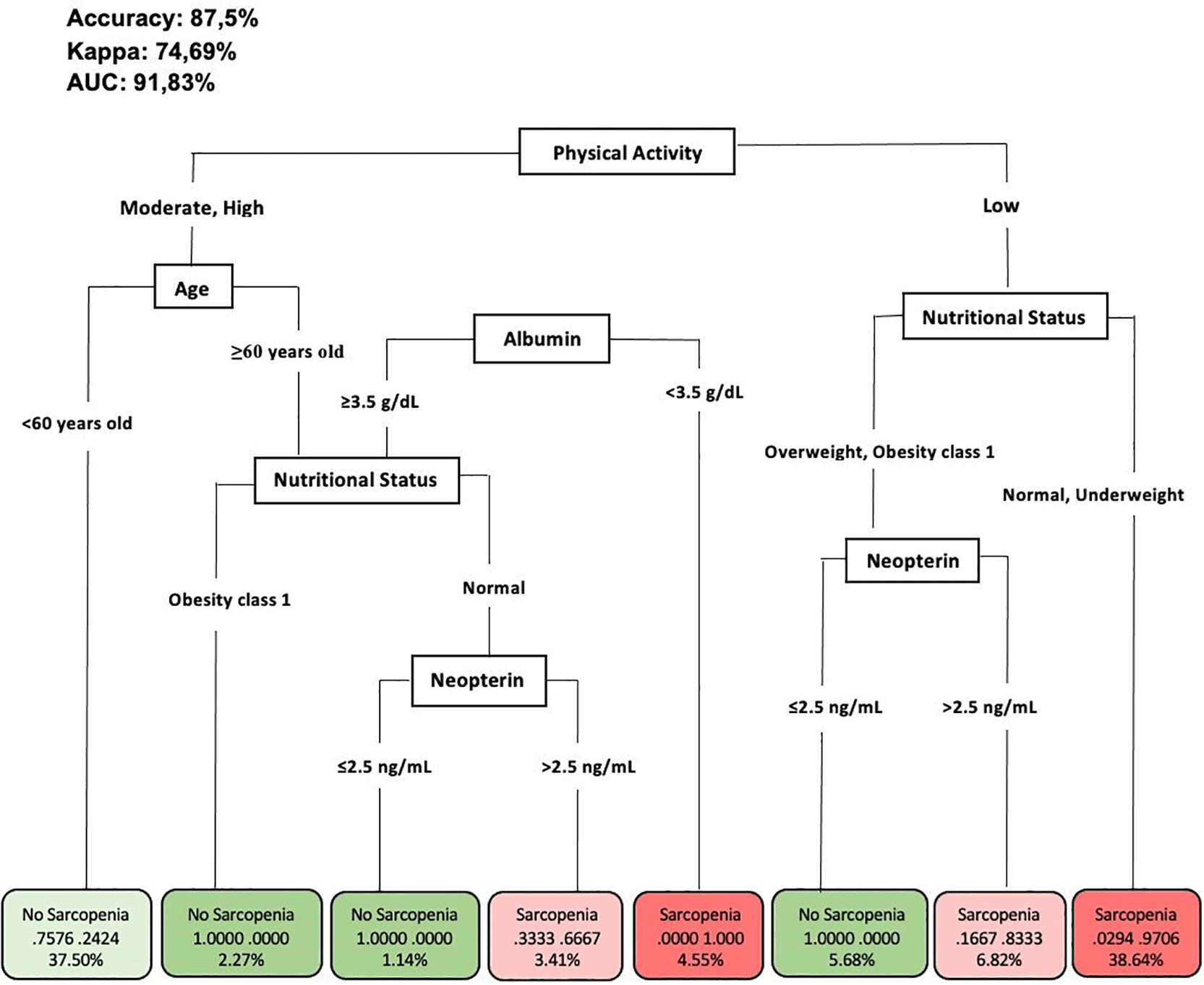
In this study, sarcopenia occurred in subjects with serum albumin levels <3.5 g/dL and neopterin levels >2.5 ng/mL. In multivariate CART analysis of sarcopenia incidence, the model demonstrated an accuracy of 87.5%, a Kappa value of 74.69%, and an AUC of 91.83%. These values indicate that the model has strong classification ability in distinguishing between subjects with and without sarcopenia, with a substantial level of agreement between the predicted outcomes and the actual clinical status ( Figure 1).
Serum albumin and neopterin levels were not statistically significantly associated with sarcopenia severity in bivariate analysis. Nevertheless, this study specifically aimed to analyze serum albumin as a biomarker of malnutrition and neopterin as a biomarker of inflammation, which were the primary variables, and examined their contribution to sarcopenia severity in kidney failure patients undergoing MHD. Therefore, a CART analysis was performed by integrating these two variables with relevant risk factors from demographic and clinical factors.
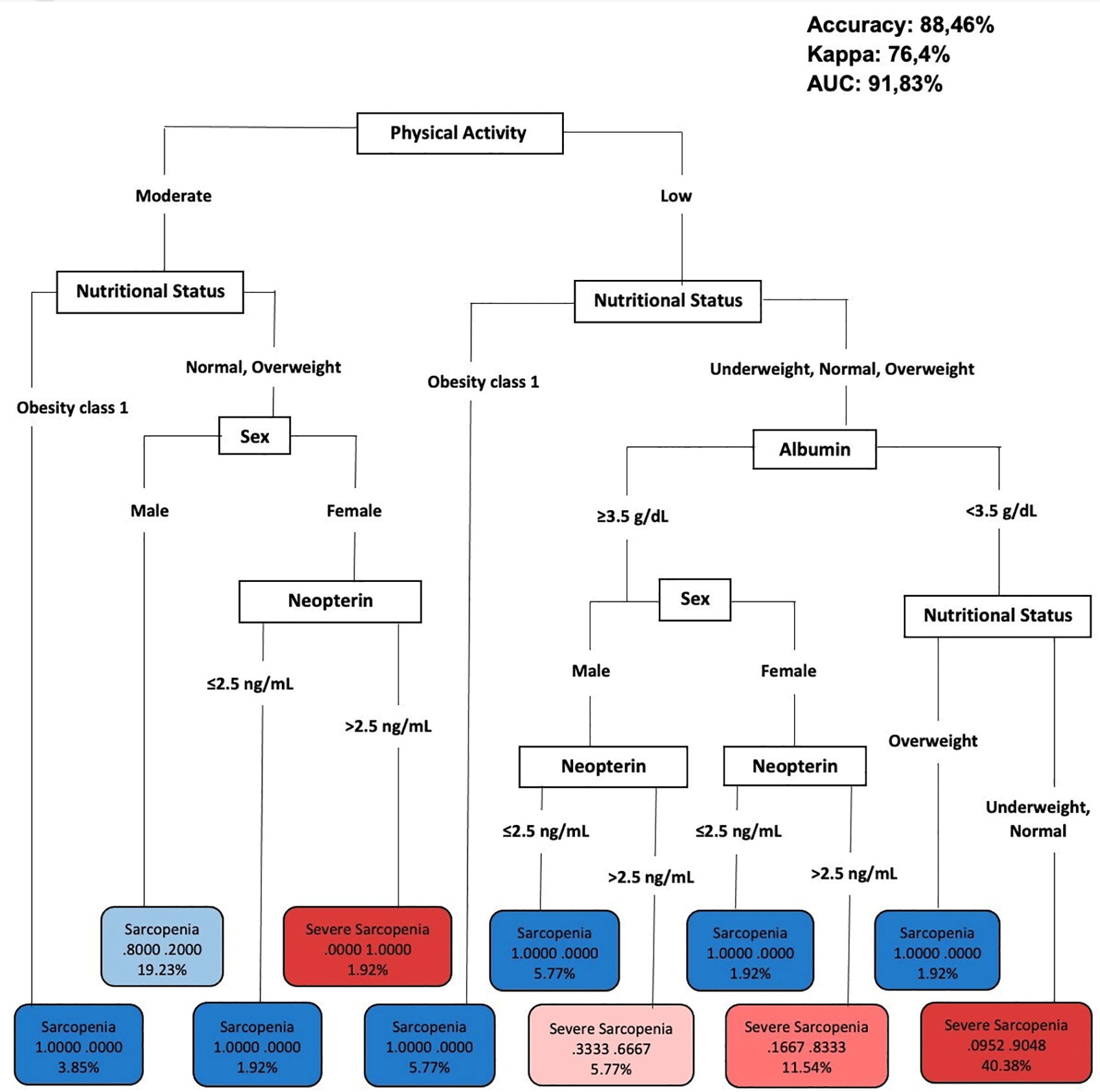
In this study, severe sarcopenia occurred in subjects with serum albumin levels <3.5 g/dL and neopterin levels >2.5 ng/mL. In multivariate CART analysis of sarcopenia, the model demonstrated an accuracy of 88.46%, a Kappa value of 76.4%, and an AUC of 91.83%. These values indicate that the model has strong classification ability in distinguishing between subjects with sarcopenia and severe sarcopenia, with a substantial level of agreement between the predicted outcomes and the actual clinical status ( Figure 2).
Among 88 kidney failure patients undergoing MHD, sarcopenia incidence was quite high, 52 patients (59%), of whom 29 patients (33%) were classified as severe sarcopenia. Previous studies have estimated the global prevalence of sarcopenia in dialysis patients to range from 15% to 54%, depending on diagnostic criteria and population characteristics.3 In other regions in Indonesia, Jauwerissa et al. reported a prevalence of 54.2% among Indonesian MHD patients in Jakarta, while Rakhima et al. reported 15.9% in Bandung. These variations highlight the influence of diagnostic cut-offs, patient demographics, and methodological approaches.4,5
Based on the bivariate analysis of the association between demographic and clinical factors with sarcopenia incidence using Chi-square/Fisher’s Exact test ( Table 2), sex was not significantly associated with sarcopenia. Several studies have reported a higher prevalence of sarcopenia among females. In contrast, others have identified a significant risk among males, depending on the diagnostic method, muscle strength indicators used, and the presence of other risk factors. Data from 164 MHD patients in China showed that a binary classification model using lower limb muscle strength showed an AUC of 79% in males and 80% in females. When lower limb muscle strength was combined with other physiological indicators, the screening performance in females improved, reaching an AUC of 90%.12 Similar findings were reported in a cross-sectional study of 270 MHD patients in Vietnam, where females were found to be more susceptible to sarcopenia.13 Conversely, a multi-centre cross-sectional study reported that females were less likely to develop sarcopenia (32.0% vs. 55.9%, p = 0.001, V = 0.26, moderate, 95% CI 0.206–0.463).14
Based on HD vintage, no significant association with sarcopenia incidence (p = 0.197). Our findings differ from Othman R. B. et al., in a multi-centre cross-sectional study, who reported that prolonged dialysis vintage was a significant risk factor for sarcopenia (OR = 1.56). Longer dialysis exposure contributes to sarcopenia through several pathways, including chronic inflammation triggered by dialysis-related factors (such as biocompatible membranes and vascular access infections), accumulation of uremic toxins, and protein loss of approximately 6–8 grams per session, all of which promote muscle catabolism. However, their study did not restrict HD vintage, with the longest patients undergoing dialysis for more than 9 years, thereby increasing the likelihood of accumulating comorbidities or other variables that may predispose to sarcopenia.14 In contrast, Mondini et al. reported no significant association between dialysis duration (median 33 months) and sarcopenia in a cross-sectional study involving 19 dialysis units.15 The absence of a significant association in this study may be explained by HD vintage restriction to a maximum of 12 months, aiming to minimize bias from the influence of prolonged dialysis on other variables.
Based on HD frequency, no significant association with sarcopenia incidence (p = 0.299). Studies investigating the association between dialysis frequency and sarcopenia remain limited. Our findings are similar to those of Duarte M. P. et al. in a multi-centre study of patients with chronic kidney disease undergoing HD, no significant association between sarcopenia and conventional HD frequency (3 sessions per week) or daily dialysis (≥4 sessions per week), with a p-value of 0.73.3 Hemodialysis frequency does not appear to be a primary risk factor, as other risk factors and comorbidities remain more influential in the pathophysiology of sarcopenia.
Based on DM history, no significant association with sarcopenia incidence (p = 0.208). Nevertheless, DM subjects experienced sarcopenia more frequently, 33 subjects (64.7%), compared to 19 subjects (51.4%) without DM. In contrast, Othman R. B. et al., in a multi-centre cross-sectional study, reported that DM was associated with more than a two-fold increased risk of sarcopenia (OR = 2.14; p < 0.001). The pathophysiological relationship between DM and sarcopenia involves several mechanisms. Insulin resistance, oxidative stress induced by chronic hyperglycemia, and reduced IGF-1 levels further compromise muscle regeneration and maintenance. These findings support the concept that DM is a systemic condition affecting multiple organ systems, with skeletal muscle being one of the primary targets of metabolic dysfunction.14 Our study results differ from the majority of reports that have demonstrated DM as a significant risk factor for sarcopenia and mortality in HD patients. Although DM is recognized as a major risk factor for sarcopenia, its association is not always directly observed in this population. The association between DM and sarcopenia in HD patients is complex and multifactorial, potentially influenced by factors such as population heterogeneity, varying severity of DM, and the presence of other comorbidities that may modify the association.
Based on the bivariate analysis of the association between demographic and clinical factors with sarcopenia severity using Chi-square in Table 3, age was not significantly associated with sarcopenia severity (p = 0.082) in this population, even though severe sarcopenia was more frequently observed in those aged ≥60 years, 13 subjects (72.2%). To date, no comparative studies have specifically evaluated the relationship between age and sarcopenia severity in the kidney failure population undergoing MHD.
Based on HD vintage, no significant association with sarcopenia severity (p = 0.402). Similar findings were reported by Mondini et al. in a cross-sectional study, in which dialysis duration (with the longest duration exceeding 77 months) was not significantly related to sarcopenia severity.15 In our study, dialysis duration was limited to a maximum of 12 months, which may explain the absence of a meaningful association between HD vintage and sarcopenia severity.
Based on HD frequency, no significant association with sarcopenia severity (p = 0.438). This result differs from the study of Duarte M. P. et al., a multicenter study of kidney failure patients undergoing HD, which reported a significant association (p = 0.014). In their study, the prevalence of severe sarcopenia was higher among patients receiving daily HD (≥4 sessions per week), with 8% affected, compared to 4% among those receiving conventional thrice-weekly HD.3
Similarly, DM status did not demonstrate a significant association with sarcopenia severity (p = 0.355), although the proportion of severe sarcopenia was higher among diabetic patients. Most existing research has focused on the association of DM and sarcopenia incidence, rather than its severity, so there is no comparable study.
Based on bivariate analysis, serum albumin and neopterin were not significantly associated. Nevertheless, the primary objective of this study was to specifically analyze serum albumin as a biomarker of malnutrition and serum neopterin as a biomarker of inflammation, given their potential contribution to sarcopenia in kidney failure patients undergoing MHD. For this reason, we used CART analysis ( Figure 1 and Figure 2), integrating albumin and neopterin with relevant risk factors from demographic and clinical variables. The CART method was chosen to identify the most dominant predictors and to determine at which branching nodes albumin and neopterin contribute to the classification of incidence and severity of sarcopenia. This approach provides insight into the hierarchical contribution of each variable and its interactions, thereby offering a clearer depiction of the complex patterns underlying sarcopenia in this population.
Figure 1, the CART model of sarcopenia incidence, demonstrated strong predictive performance, with an accuracy of 87.5%, a Kappa value of 74.69%, and an AUC of 91.83%. In this model, physical activity level emerged as the primary splitting variable in determining sarcopenia incidence. Individuals with low physical activity were more likely to develop sarcopenia, whereas those with moderate to high activity exhibited a lower risk. Subsequent branches were defined by age, nutritional status, serum albumin, and serum neopterin, reflecting the combined influence of malnutrition, inflammation, and demographic factors.
Hypoalbuminemia frequently indicates protein–energy deficiency as a classical marker of malnutrition. Albumin <3.5 gr/dL identified in this study as a biomarker of malnutrition associated with sarcopenia incidence. In the general population, Erdogan K. et al. demonstrated in a cross-sectional study that hypoalbuminemia (≤4.0 g/dL) was independently associated with sarcopenia, with odds ratios of 2.368 (95% CI 1.424–3.939) in men and 2.026 (95% CI 1.520–2.699) in women (both p < 0.001).10 However, in the kidney failure patients undergoing MHD, our findings differ from Othman R. B. et al., who reported in a multi-centre cross-sectional study that hypoalbuminemia was not significantly associated with sarcopenia (p = 0.119).14 Hypoalbuminemia in kidney failure patients undergoing MHD is multifactorial, resulting from increased catabolism (renal, gastrointestinal, and dialysis-related losses) and reduced nutritional intake due to anorexia, dietary restrictions, inflammation, acidosis, and hormonal alterations.16
Elevated serum neopterin levels (>2.5 ng/mL) were identified in our study as an inflammatory marker associated with sarcopenia incidence. Neopterin is a biomarker of inflammation, a 2-amino-4-hydroxy-6-(D-erythro-1′,2′,3′-trihydroxypropyl)-pteridine discovered in the 1960s, as it is directly produced by macrophages that are activated by interferon-γ, thereby reflecting early and sustained cellular immune activation. In other words, neopterin rises promptly during immune responses and can be consistently measured in blood and urine. Several studies have linked muscle impairment to increased serum neopterin.11 Leng S. X. et al. reported that serum neopterin levels increased independently of IL-6, suggesting monocyte/macrophage-mediated immune activation in muscle dysfunction leading to frailty in older adults.17 Similarly, Khojah A. et al. and Benedetti et al. found that elevated serum neopterin was strongly associated with muscle damage in juvenile dermatomyositis.18 Furthermore, Unuvar S. and Aslanhan H. demonstrated that serum neopterin levels were significantly higher in CKD patients compared to controls.19 However, no studies have specifically examined the association of elevated serum neopterin with sarcopenia in kidney failure patients undergoing MHD. Therefore, our findings suggest that neopterin may serve as an inflammatory biomarker that predicts sarcopenia in this population, although further research is warranted to confirm this role.
In Figure 1, besides malnutrition and inflammation, sarcopenia incidence in this study was also influenced by low physical activity, advanced age, and nutritional status (underweight-normal). Low physical activity was also found to be associated with sarcopenia in a cross-sectional study of 220 MHD patients by Yang Y. et al.20 The underlying causes include fatigue, muscle weakness, chronic inflammation, and the physical burden of kidney disease. Routine HD sessions may further promote a sedentary lifestyle, as patients spend substantial time undergoing HD. Depression and anxiety are also highly prevalent in this population, and fear of injury or worsening health may also discourage exercise. Low physical activity can trigger deconditioning, defined as progressive loss of muscle mass and function in this population.21,22
On the other hand, sarcopenia is defined as an age-related decline in muscle mass and function. Various components of skeletal muscle undergo progressive changes with advancing age. Lexell et al. reported a reduction in muscle size among the elderly, accompanied by an approximate 25% decrease in the number of muscle fibers. There was a significant decline in the proportion of type II (fast-twitch) fibers and contractile function in the elderly.23
In this study, nutritional status (underweight-normal) was associated with sarcopenia incidence. Similar findings were reported by Yang Y. et al., who demonstrated that BMI influences sarcopenia incidence among patients undergoing MHD. Body Mass Index generally reflects reduced muscle mass rather than fat alone. The decline in muscle mass contributes to impaired muscle function and may represent a direct manifestation of disease, as is also observed in weight loss and emaciation.20
In Figure 2, the CART model of sarcopenia severity demonstrated strong predictive performance, with an accuracy of 88.46%, a Kappa value of 76.4%, and an AUC of 91.83%. In this model, physical activity level emerged as the primary splitting variable in determining sarcopenia severity. For patients with low physical activity, subsequent branches were defined by nutritional status, sex, serum albumin, and serum neopterin levels, reflecting the combination of malnutrition, inflammation, and demographic factors. Specifically, albumin <3.5 g/dL and neopterin >2.5 ng/mL were associated with severe sarcopenia, particularly among female patients with underweight-to-normal nutritional status.
From a pathophysiological perspective, the progression to more severe stages of sarcopenia are mediated by the same mechanisms underlying its incidence, including malnutrition, inflammation, and metabolic derangements. However, no studies have specifically used serum albumin as a marker of malnutrition, serum neopterin as a marker of inflammation, together with sex and nutritional status, in relation to sarcopenia severity among kidney failure patients undergoing MHD.
Based on low physical activity in sarcopenia severity in kidney failure patients, Yang Y. et al. also demonstrated a significant association of low physical activity with sarcopenia severity.20 Similarly, Li et al., in a multi-centre cross-sectional study, reported that low physical activity increased the risk of sarcopenia severity in MHD patients more than fiftyfold compared to high activity levels (OR = 54.722, 95% CI: 2.224–962.841, p = 0.007).24
Future research should be addressed through prospective, multi-centre studies with larger sample sizes to enhance generalizability and establish causal relationships. Interventional trials targeting nutritional management, anti-inflammatory strategies, and structured exercise programs are warranted to evaluate whether modifying these risk factors can prevent or reverse sarcopenia in kidney failure populations undergoing MHD.
Malnutrition, indicated by low serum albumin levels, and inflammation, indicated by elevated serum neopterin, play roles in both the incidence and severity of sarcopenia among kidney failure patients undergoing MHD. Importantly, serum albumin and neopterin may serve as potential predictive biomarkers for sarcopenia in this population. Their integration into clinical assessment could support early risk stratification and guide targeted management.
This study has been approved by the Research Ethics Committee of the Faculty of Medicine, Hasanuddin University (approval number: 782/UN4.6.4.5.31/PP36/2025). The study adhered to the ethical principles, ensuring the protection of participants’ rights and confidentiality.