Просмотр новости
Найдите то, что Вас интересует
 Спутники
 РН
РН SpaceX
 Роскосмос
 NASA
NASA
СпутникиРНSpaceXРоскосмосNASAWānaka’s biggest advantage as a South Island base is not just what you can do lakeside, but what sits...
The post Mount Aspiring National Park: a first-timer’s guide appeared first on A Luxury Travel Blog.
Wānaka’s biggest advantage as a South Island base is not just what you can do lakeside, but what sits within day-trip range. Mount Aspiring National Park begins on Wānaka’s western edge and quickly turns into a landscape of long river valleys, waterfalls, glaciers, and beech and podocarp forest. Conditions can change quickly here, so a little planning goes a long way.
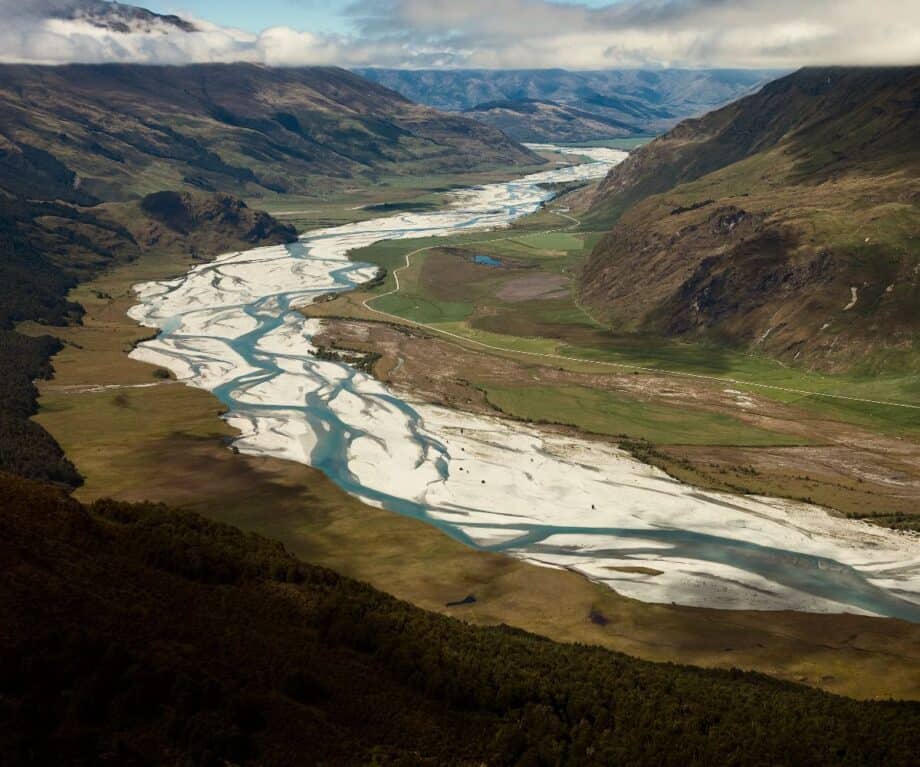
This Mount Aspiring guide for first-timers highlights the main Wānaka-side gateways, three standout walks for first-time visitors, and a few small decisions that improve comfort and safety.
What to love about Mount Aspiring National ParkMount Aspiring National Park is renowned for diversity. Just one walk delivers birdsong and native forest, a swing bridge river crossing over a fast river, snowfield views and a hanging glacier. That contrast is part of the appeal, but it also means you should plan for sudden wind, rain in the headwaters, and big temperature swings between valley floor and viewpoint.
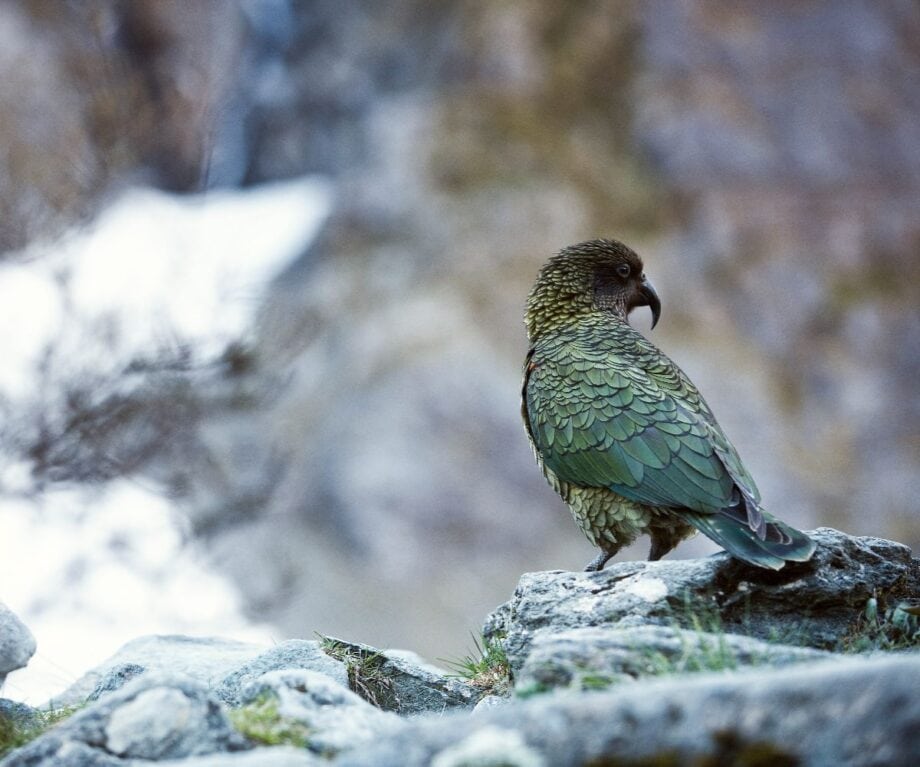
You might also spot New Zealand’s native parrot and the world’s only alpine parrot, the Kea; they’re bold characters with a penchant for crumbs.
Three easy gateways from the Wānaka sideFrom Wānaka and the Upper Clutha, three gateways cover most day-walk itineraries.
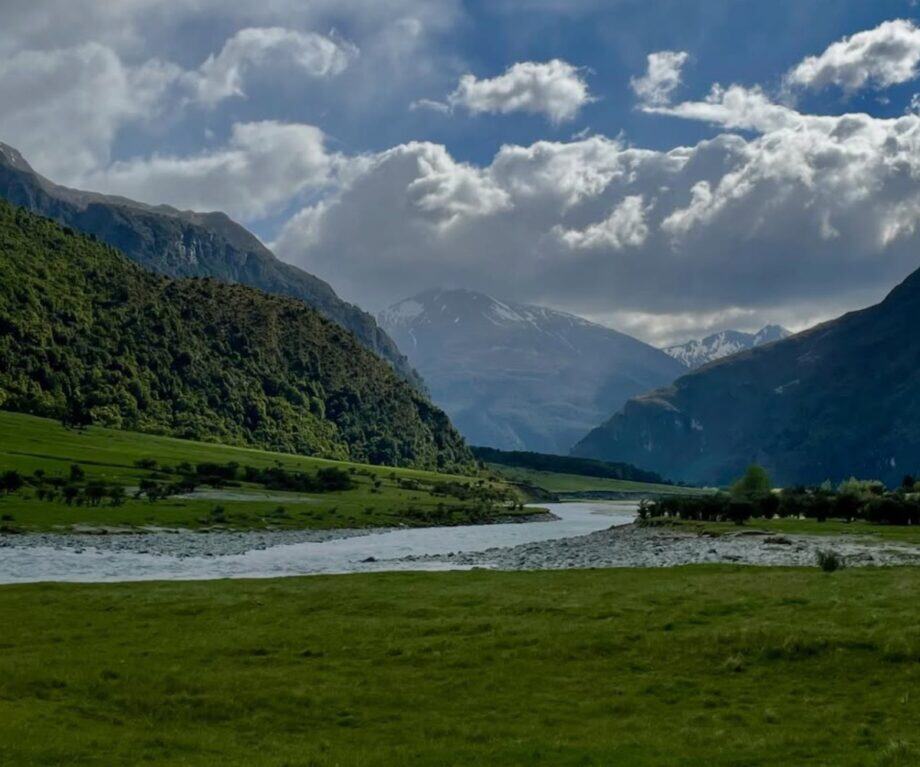
About an hour’s drive from Wānaka, Makarora is a simple, high-reward stop with short forest tracks and famous blue water. The drive alone is worthy of your time, attention and photo stops.
The Matukituki Valley (via the Wānaka to Mount Aspiring Road)This valley is the launch point for classic glacier views and big amphitheatre scenery, including the Rob Roy Track. Drive out past Treble Cone ski field, paddocks of deer and an ever-changing vista.
Quieter backcountry options from the Makarora sideTracks like Blue Valley step away from the crowds quickly, but they are longer, more committing, and better suited to confident walkers.
How to choose the right trackBefore you decide, ask yourself these three questions:
DOC (Department of Conservation) track times assume steady walking with short pauses. If you like to take photos, walk with children, or prefer frequent stops, add time buffers. Weather can change rapidly, and hypothermia is a real risk even in summer, so carry warm, waterproof and windproof layers. Footwear matters too. Tracks can be slippery in shaded sections, on boardwalks, and after rain, so shoes with good grip help. A head torch is a sensible backup if your return runs late.
Three standout day walks for first-time visitors Blue Pools Track (Makarora)If you want a short walk with a big visual payoff, start here. Blue Pools is an easy, mostly flat track that is 3 km return and takes about 1 hour for most people. Allow time to take in the pools when you reach them – their colour is the main event, especially on a clear day when the water shifts from turquoise to deep blue. The lakes are well documented on social media for a reason!
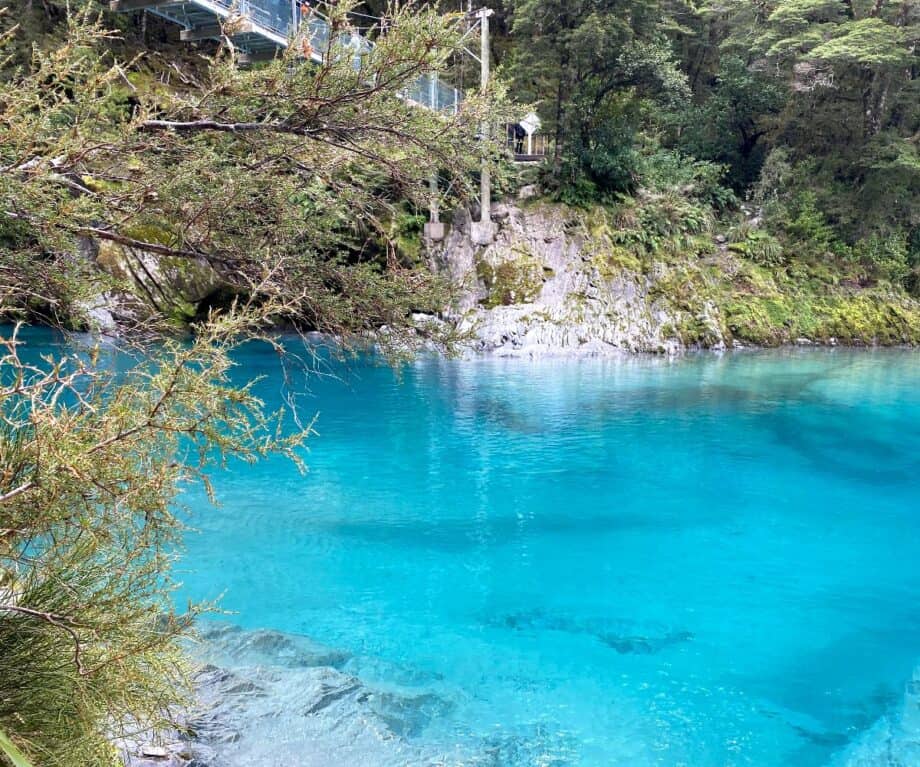
The track winds through beech and podocarp forest, then crosses a swing bridge over the Makarora River. From there, a raised boardwalk leads to a second swing bridge that serves as the main viewing platform over the Blue Pools and the mouth of the Blue River. Swing bridges have capacity limits, so in busy periods you may need to wait at each end until it is safe to cross.
A practical note: the water is fast, cold, and deceptively powerful. Enjoy the colour and clarity from the bridges and banks.
Rob Roy Track (Matukituki Valley)Rob Roy is a classic half-day walk that delivers big mountain scenery without technical difficulty. It is an easy route that gives you a front-row seat to the Southern Alps: snowfields, glaciers, sheer rock cliffs and waterfalls. The track is 10 km return and usually takes 3 to 4 hours.
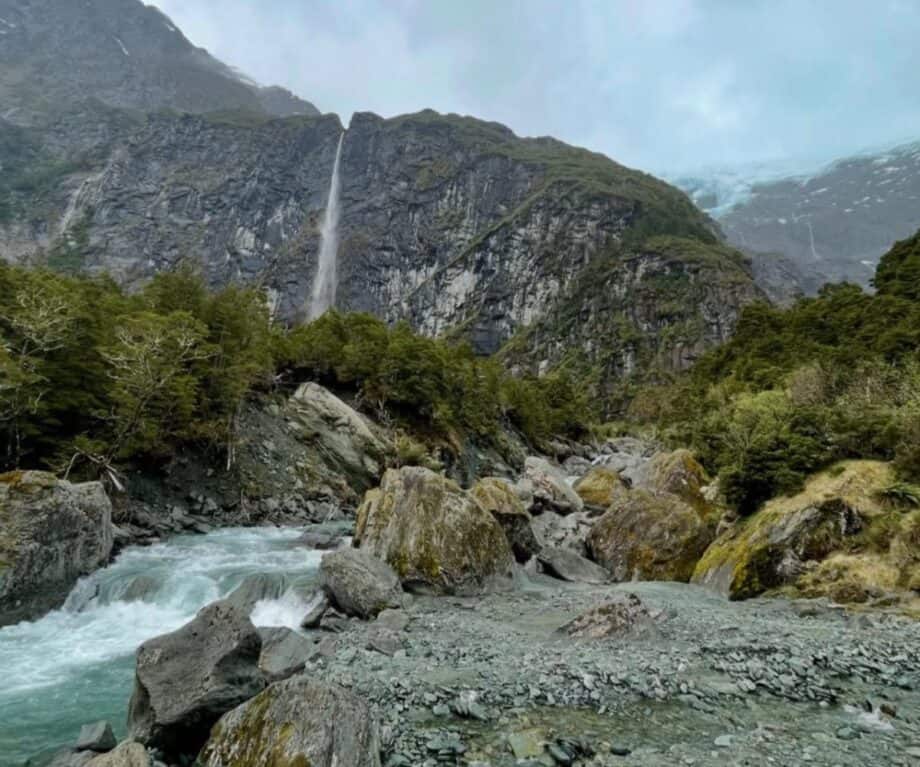
Expect a gentle start, a swing bridge crossing, then a steady climb through forest before the landscape opens into alpine vegetation and viewpoints. Pace it like a long, scenic outing and save energy for the return.
Season matters. Avalanche paths cross the upper section from May to November, and spring snow or rainfall can impact river crossings, so plan to end at the lower lookout in those months.
Blue Valley Track (Makarora)If you want quieter scenery and a stronger backcountry feel, Blue Valley is an excellent choice, but it suits confident walkers; it’s not a casual stroll. Start from the Blue Pools car park, then follow the signposted valley route that turns off shortly after the first swing bridge over the Makarora River. If you want to see the Blue Pools as well, factor in a 10-minute return detour from the junction.
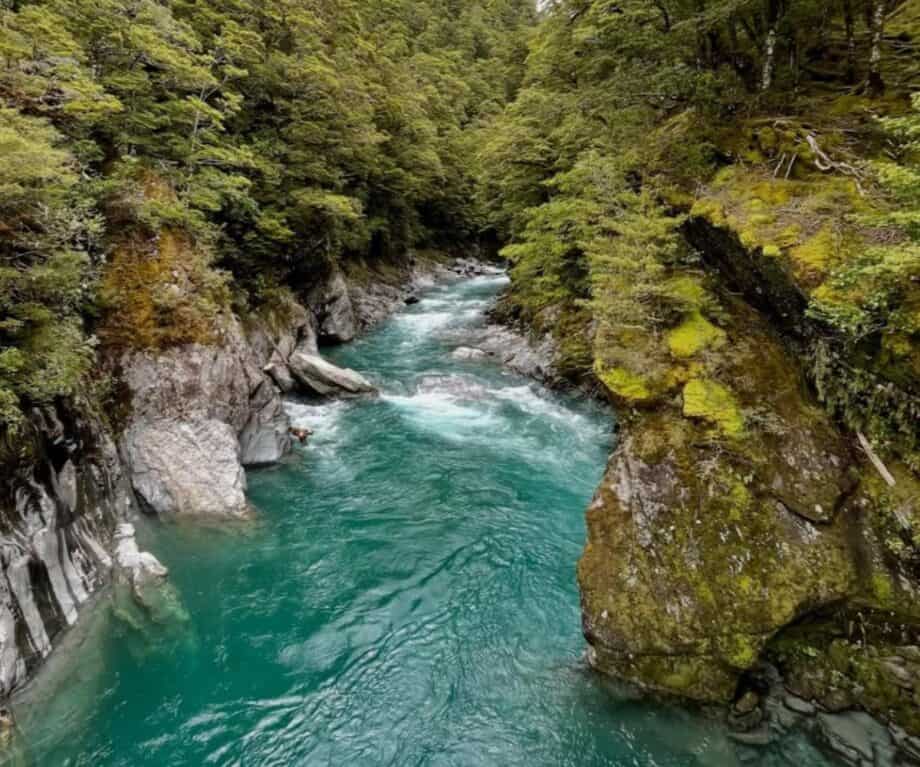
Although the distance to Camp Flat is only 2.5km, DOC times it at 2-3 hours each way, which tells you to expect slow going i places. Treat it as a proper tramp (what Kiwis call a hike): wear hiking boots (grippy footwear as a minimum), wear or carry layers, and pack more food and water than you would for a short hike.
Blue Valley also sits in avalanche terrain (typically May into November), so seasonal awareness is important here too. In colder months, check conditions carefully and be prepared to turn back early.
Unless you know New Zealand well, you might be unfamiliar with how rugged it is in places, especially when accessing some of these more spectacular hikes:
Mount Aspiring’s appeal comes from how wild it feels and we all want it to stay unencumbered by human exploration of it. New Zealand Department of Conservation encourages all visitors to ‘leave no trace’. Stay on formed tracks, take all rubbish out, keep noise down, and give other walkers space at viewpoints and swing bridges.
If you are using a drone, check requirements before you go. In many places on public conservation land, drone use needs authorisation.
Mount Aspiring National Park is there for the discovery of all visitors to Wānaka. It might be what brings you here in the first place or what drives a return visit. Either way, these hikes through the Southern Alps are rewarding visually and physically – enjoy every minute, safely.

Kate Stinchcombe-Gillies is CMO of Release NZ. Release NZ represents a portfolio of luxury holiday accommodation in Wānaka and Queenstown – their passion being to connect guests to everything that makes this part of the world so special. If you would like to be a guest blogger on A Luxury Travel Blog in order to raise your profile, please contact us.
Receive similar content direct to your inbox.
| # | Наименование новости | Тональность | Информативность | Дата публикации |
|---|---|---|---|---|
| 1 | Wānaka: Your South Island base | 0 | 7.23 | 27-11-2025 |
| 2 | Wānaka or Queenstown: How to decide | 0 | 11.79 | 17-05-2026 |
| 3 | Ski New Zealand: Make Wānaka your alpine resort base | 0 | 5.62 | 26-02-2026 |
| 4 | New Zealand’s Southern Lakes: A luxury playground worth slowing down for | 0 | 5.63 | 01-12-2025 |
| 5 | Spring in New Zealand’s South Island | 0 | 8.48 | 19-09-2025 |
| 6 | Heli-adventures in New Zealand’s South Island | 0 | 8.48 | 22-03-2026 |
| 7 | Autumn in Wānaka: New Zealand’s best-kept secret | 0 | 10.41 | 21-04-2026 |
| 8 | The quiet comfort of Wild New Zealand | 0 | 7.07 | 16-05-2026 |
| 9 | New Zealand luxury travel: The art of letting go | 0 | 4.44 | 15-01-2026 |
| 10 | Fiordland – one of the world’s most untamed wildernesses | 0 | 8.71 | 18-11-2025 |