Просмотр новости
Найдите то, что Вас интересует
 Спутники
 РН
РН SpaceX
 Роскосмос
 NASA
NASA
СпутникиРНSpaceXРоскосмосNASAAmazon's Vega OS shift blocks regular Fire Stick sideloading, giving buyers a stricter streaming device that may be safer but leaves less room for outside apps, launchers, and customization.
 Amazon
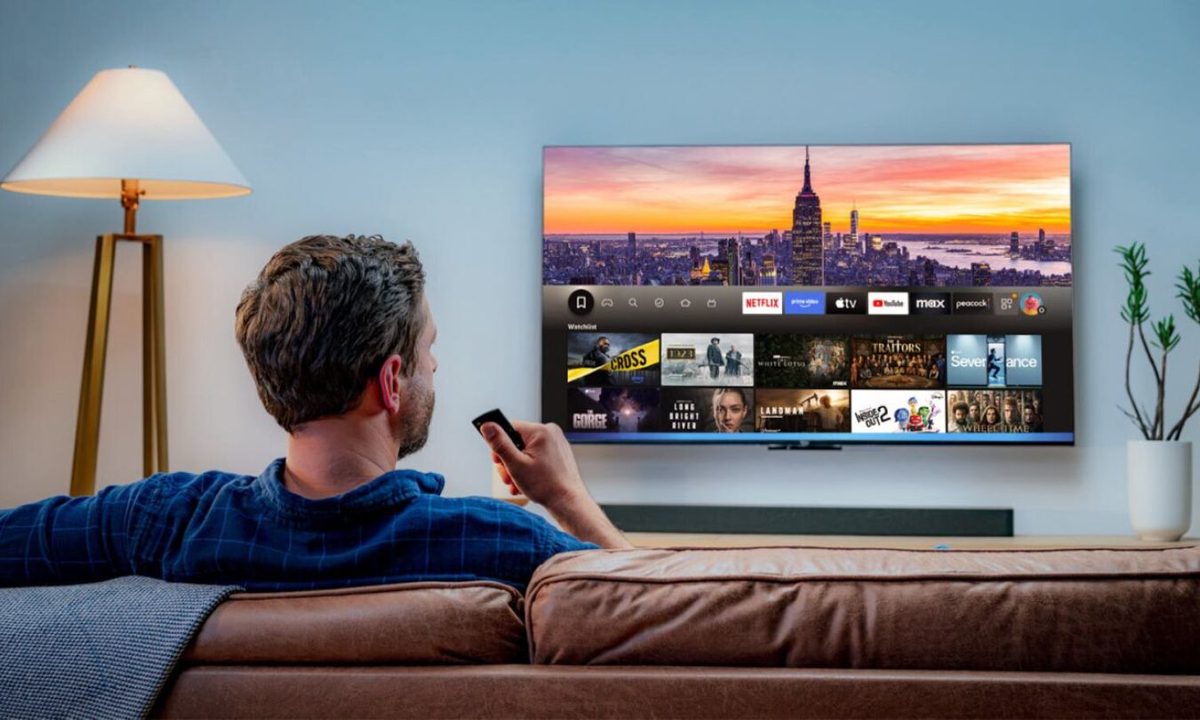
Amazon’s new Fire Sticks are starting to close off one of the device’s biggest unofficial perks, installing apps from outside Amazon’s Appstore.
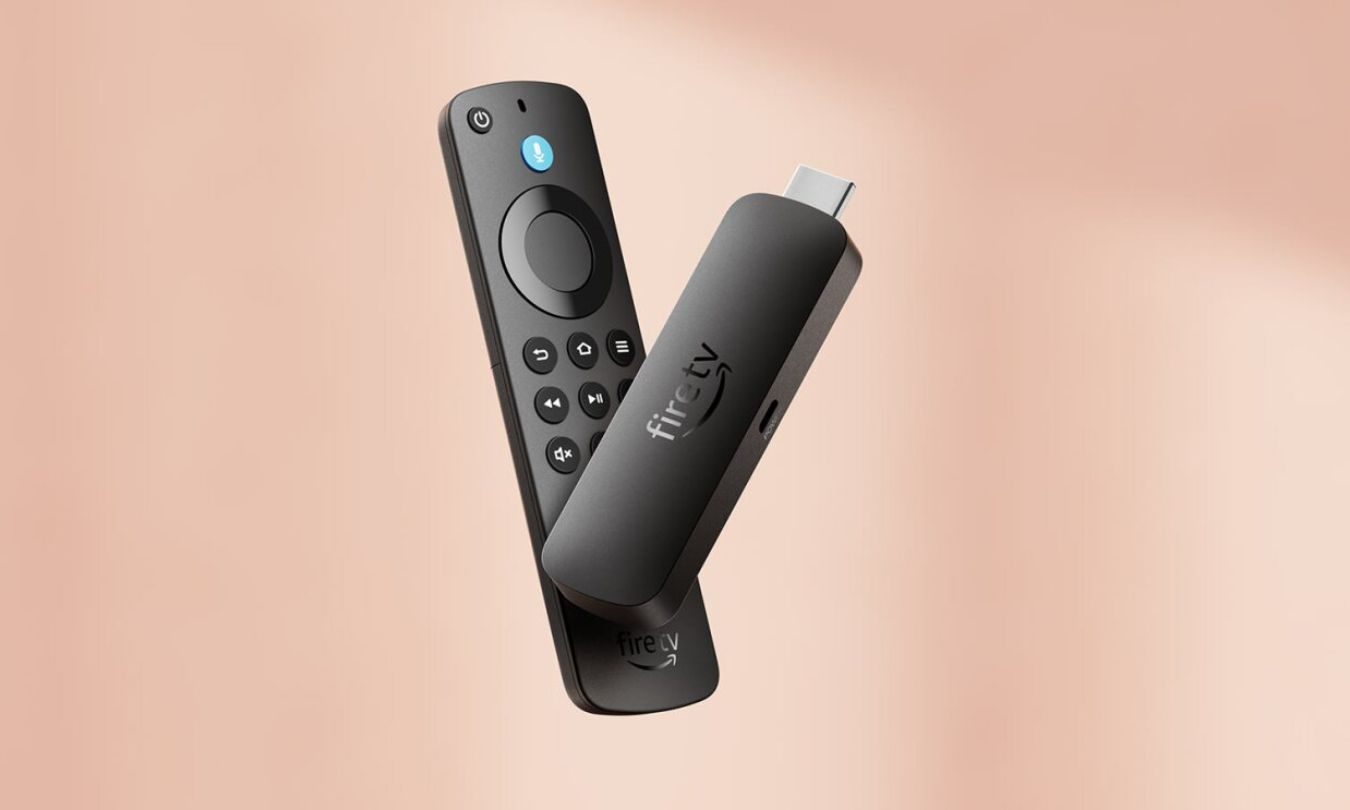
The change comes with Vega OS, Amazon’s newer Linux-based Fire TV software. Amazon introduced the Fire TV Stick 4K Select as the first Fire TV Stick to run Vega OS, and its developer site says future Fire TV Sticks will use the platform. Older Fire Sticks ran Fire OS, an Android-based system that gave users more room for outside apps and tinkering.
Vega OS doesn’t treat sideloading the same way Fire OS did. Amazon’s developer docs still allow it, but as a testing workflow tied to Developer Mode, an Amazon developer account, and device registration. That’s a different setup from the consumer-friendly workaround Fire Stick owners have used for years.
For buyers, the tradeoff lands in daily use. A newer streaming stick may be easier to manage, but it won’t leave much room to customize the experience.
 Amazon
Why did Amazon cut sideloading
Amazon
Why did Amazon cut sideloading
In a Cord Busters interview, Amazon’s Fire TV chief linked sideloaded piracy apps to malware risk and unwanted code. He described security and privacy as priorities, but he didn’t provide a specific case where sideloading harmed a Fire Stick owner.
The concern isn’t baseless. Amazon previously blocked several video apps after reports tied them to riskware or virus scanner warnings. An older Android botnet also appeared on some Fire Sticks, giving Amazon a security argument that extends beyond platform control.
What does Vega OS changeVega OS cuts off regular sideloading and blocks custom launchers, closing two common routes people used to reshape Fire TV devices.
 Amazon
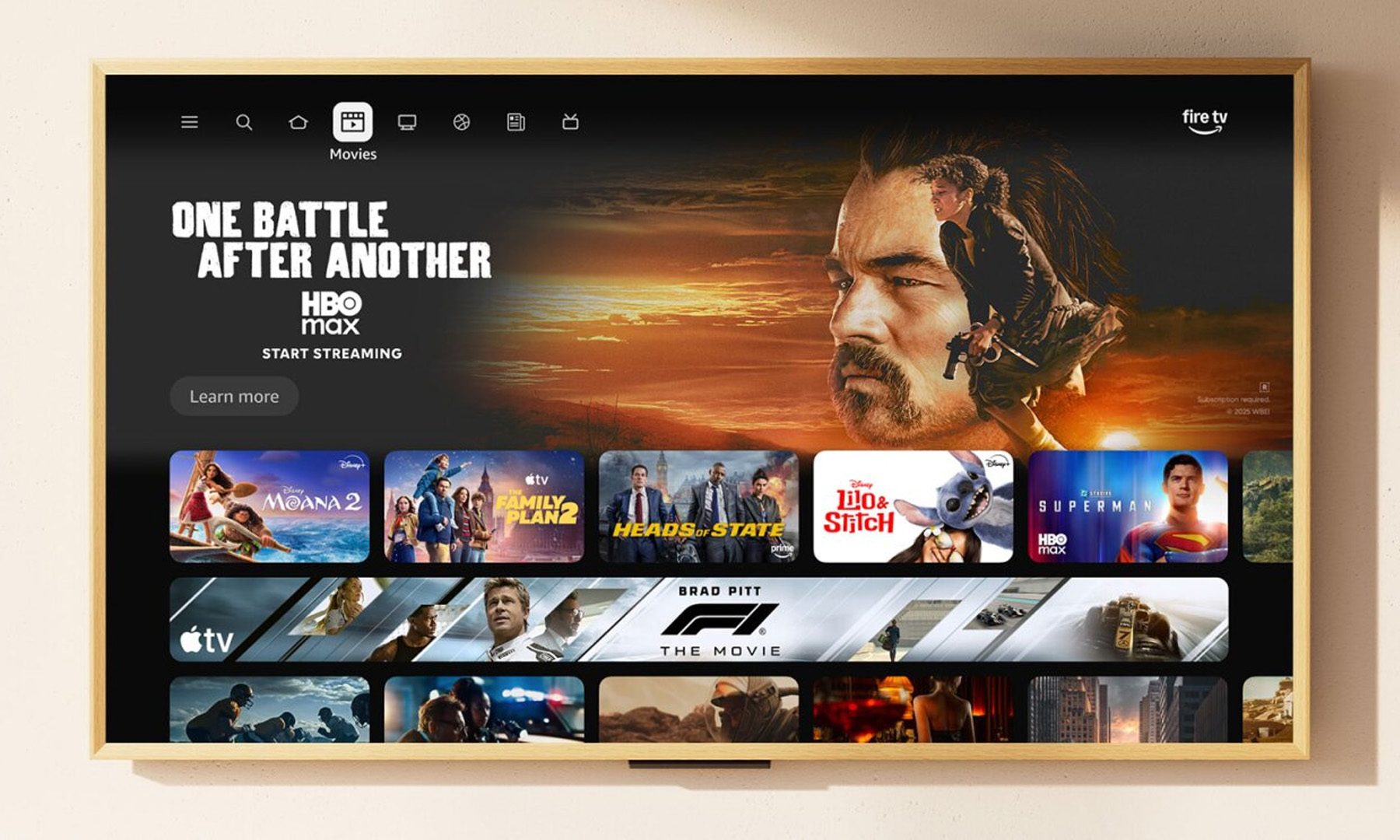
The home screen is part of the larger shift. Amazon has increasingly used Fire TV devices for ads and recommendations, and fewer workarounds give users less control over what appears first when the device turns on.
App support is the other limitation. UK Vega OS Fire Sticks support about 3,000 apps, while Fire OS models support about 40,000. That gap won’t bother everyone, but it becomes obvious when a favorite app, storage feature, or video standard isn’t supported.
Who should skip Vega OSA Vega OS Fire Stick can still make sense for basic streaming. Amazon says the platform covers most of the content people want, and many buyers don’t install anything beyond major streaming services.
Power users should slow down before upgrading. Check the app list, storage support, video features, and customization limits before buying. Anyone who bought a Fire Stick for sideloading should treat Vega OS as a different product, not a routine upgrade.

Paulo Vargas is an English major turned reporter turned technical writer, with a career that has always circled back to…
Google Home’s Interactive Storytime feature has me wondering who actually asked for this
Google Home gets interactive AI storytime, smarter alarms, and broader camera support.
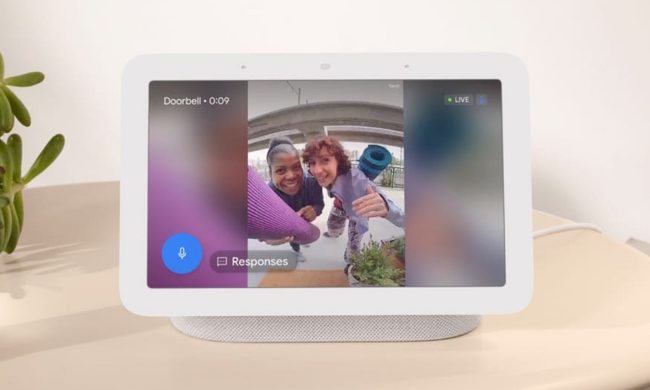
Google Home's latest update introduces several new features, including Gemini-powered Interactive Storytime. While I’m not sure who asked for the feature, it lets families build original stories about specific topics on the fly, instead of just listening to a known story.
So what's the big new feature here?
Proxima wants to move blood tests into the home, and it has cleared an important early hurdle
The portable analyzer delivers blood-count results in about 20 minutes, but its promise depends on transparent clinical data
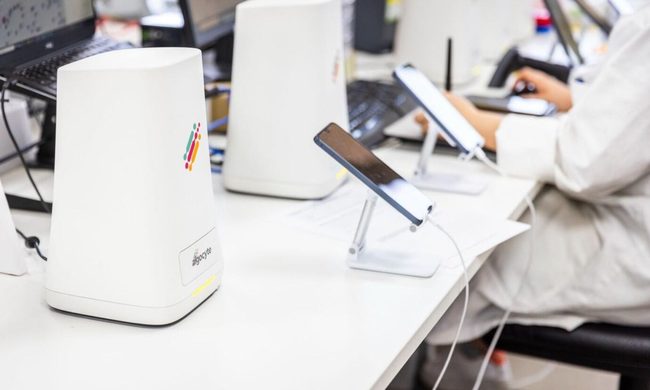
Algocyte’s Proxima is designed to run blood-count tests from a small finger-prick sample and send the results to a clinician in about 20 minutes. For patients who need frequent monitoring, that could mean fewer trips to a clinic or laboratory.
The device has also moved beyond the concept stage. Proxima carries UK conformity credentials, while Algocyte operates under a certified medical-device quality system. Those steps give the project more weight than a prototype shown at a launch event.
Remember Samsung’s Ballie home robot? It may finally be inching closer to reality
Leaked app wireframes give the strongest hint yet that Samsung's Ballie home robot, first shown at CES 2020, might still be headed toward an actual release.
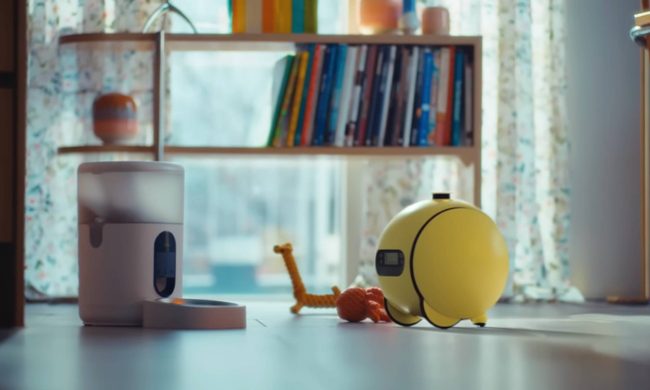
Samsung's rolling home robot has been the industry's longest-running "will it ever actually ship" joke, and I'll admit I'd mostly given up on it. Now, there's finally a glimmer of hope.
Samsung first unveiled Ballie as a concept at CES 2020. Then, it showed it as a significantly upgraded version four years later. However, the company never confirmed a release date or committed to releasing it at all.
| # | Наименование новости | Тональность | Информативность | Дата публикации |
|---|---|---|---|---|
| 1 | Google is locking out third-party apps, it does not affect de-Googled Android | 0 | 5 | 06-07-2026 |
| 2 | Amazon прекращает отправку товаров в Россию | 0 | 0 | 09-03-2022 |
| 3 | Steam Client Adds HDR Streaming On Steam Deck OLED, AV1 Video Streaming | 0 | 9.63 | 29-07-2026 |
| 4 | Телевизоры LG будут официально подслушивать своих хозяев. Несогласных оставят без обновлений ПО | -8 | 7 | 20-07-2026 |
| 5 | Телевизоры LG будут официально подслушивать своих хозяев. Несогласных оставят без обновлений ПО | -5 | 7 | 20-07-2026 |
| 6 | Google TV Streamer update brings major Google Home upgrade | 0 | 8.98 | 11-06-2026 |
| 7 | Российские сервисы начали ограничивать доступ при включенном VPN | 0 | 5 | 16-04-2026 |
| 8 | New U-Boot flaws could enable stealthy firmware attacks | -2 | 7 | 10-07-2026 |
| 9 | Debian 14 Makes Reproducible Builds Mandatory for Linux Packages | 5 | 7 | 12-05-2026 |