Просмотр новости
Найдите то, что Вас интересует
 Спутники
 РН
РН SpaceX
 Роскосмос
 NASA
NASA
СпутникиРНSpaceXРоскосмосNASAAfter studying furniture design in Florence, Mrinalini Kumari launches Loonawara, which blends heritage, wildlife and design with home decor
Updated - April 16, 2026 09:00 am IST

Founded early in 2025, Loonawara is the brainchild of 29-year-old princess Mrinalini Kumari.
If you are someone who is inspired by vintage silhouettes, ornately crafted furniture, rich textures and intense colours and love to recreate a vibe straight out of a palace, Loonawara must be on your list. A home decor brand that takes cues from royalty and seamlessly reimagines centuries of art, history and heritage for contemporary living, Loonawara was born within the walls of Gujarat’s Lunavada palace. An architectural masterpiece that dates to the 15th century, this one stands tall as a quiet reminder of the opulence and magnificence of the bygone era. Founded early in 2025, Loonawara is the brainchild of 29-year-old Princess Mrinalini Kumari. It offers a bespoke range of home furnishings and furniture, including cushions, table linens and lamp shades.
Excerpts from a conversation with Princess Mrinalini Kumari of Lunavada:
Gujarat’s Lunavada palace.
 Tell us about the story behind Loonawara.
 Design is something that I’m extremely passionate about. I have always been drawn towards designing spaces and products that tell stories. I finished my interior design degree from Navrachana University in Vadodara and then went on to finish my M.A. in furniture design from Florence, Italy. I am also an amateur artist and fond of painting. Apart from this, I love wildlife photography; it is a hobby my dad and I share.
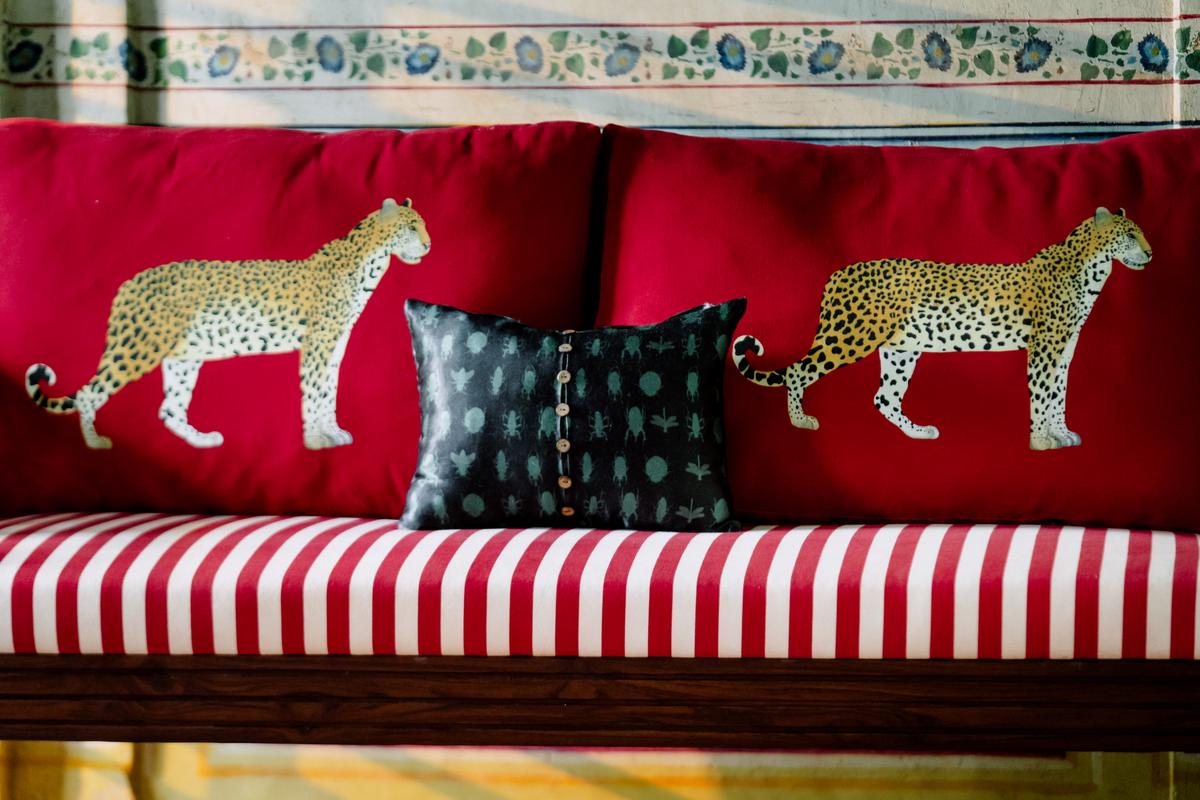
Loonawara brings together everything I love: design, heritage and the art of living beautifully. It was born from my deep love for wildlife, art and the royal heritage I have grown up surrounded by. The debut collection takes inspiration from wildlife photographs that my father and I have taken over the years. I have hand-painted the animals on paper and used them as motifs in my designs. At the same time, many elements draw from the Lunavada palace, our ancestral home and carry with it a rich legacy tracing to the Chalukyas of Gujarat. For the uninitiated, the elder brother from this lineage moved and settled in Lunavada around 1224 and began the construction of the current Raj Mahal Lunavada around 1434. We, and that includes me, the 45th generation, still resides in this palace.
So, how do the products of Loonawara reflect the vibe of palace living and royalty?
Palace living, to me, is about timeless elegance, a balance of grandeur and comfort. The designs draw from Lunavada palace’s intricate carvings, old wall-paintings, fading murals and architectural motifs, all of which have been thoughtfully adapted for modern contexts. Our patterns, prints and palettes draw from these elements. I have focused on colour, texture, and materiality to evoke that resplendent feel; think rich tones and opulent textures. The palace has floral motifs painted on the walls and ceilings, and these have been used in our prints. Lustrous fabrics like Mashru as well as regal motifs carry a sense of history while still feeling fresh, classy and contemporary. In short, the brand is a reflection of my intrinsic association with nature, royalty and heritage.
The prints have been inspired by original paintings of wildlife I have photographed over the years, often during trips with my parents, especially my father. It includes the shots of the big cats from visits to Nagarhole National Park, Kaziranga National Park, Gir National Park, and parts of Africa, where I documented animals in their natural habitats. The colour palette is derived directly from the interiors of the palace. I studied and documented the colour combinations used across different rooms and applied those same palettes to the designs. Hence, there is a generous use of saturated and rich hues like reds, burgundy, violet apart from greens and yellow.
What material are your soft furnishings made of?
The main fabric we use is Mashru, which is a lustrous silk-cotton blend, handwoven in Kutch. Given its natural sheen and rich texture, it elevates the aesthetic of our colour-rich designs and lends a touch of luxury to each product. Mashru is also steeped in royal patronage and is a symbol of subtle sophistication, making it appropriate for our collection.
How do you select the prints used on the table mats, cushions, and more?
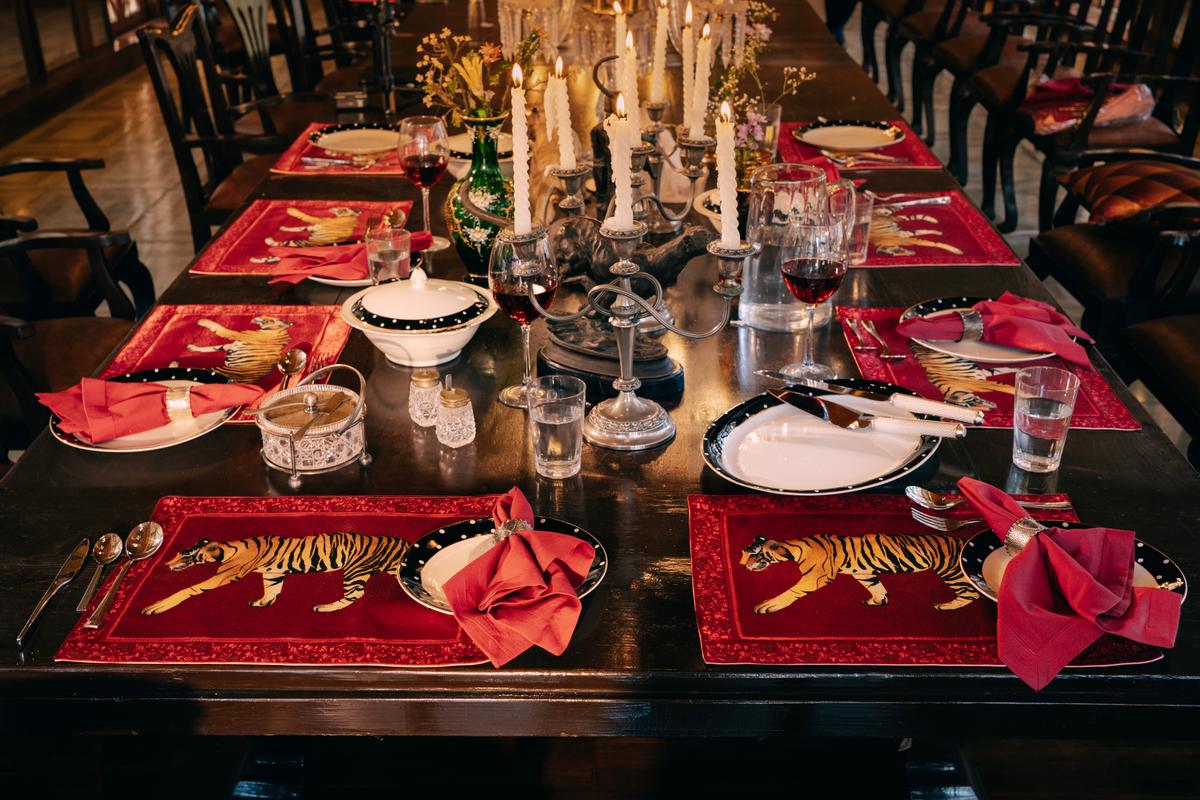
Each print starts off as a painting, sometimes inspired by the wildlife which we have photographed or motifs from palace carvings, sculptures and murals. I select and rework this artwork for different formats so that every piece feels balanced in terms of scale, detail and emotion. The goal is for each product, whether a cushion or a table mat, to hold its own as a piece of art and at the same time blend seamlessly into a curated home. The products are designed to fit well into all kinds of décor styles while still standing out as a centre piece or a conversation starter.
The visual language includes florals, stencil-style wall paintings, and layered patterns in vivid colours. Many of these decorative elements also feature wildlife motifs lions, tigers, sheep, birds, squirrels, and other animals, which appear across carvings and painted surfaces throughout the palace. These recurring animal forms suggest a historical appreciation for wildlife, possibly reflecting the interests and influences of past rulers. Together, these references have been adapted into the designs in Loonawara, maintaining the original character of the motifs while presenting them in a more contemporary format.
Tell us a bit about your range of furniture.
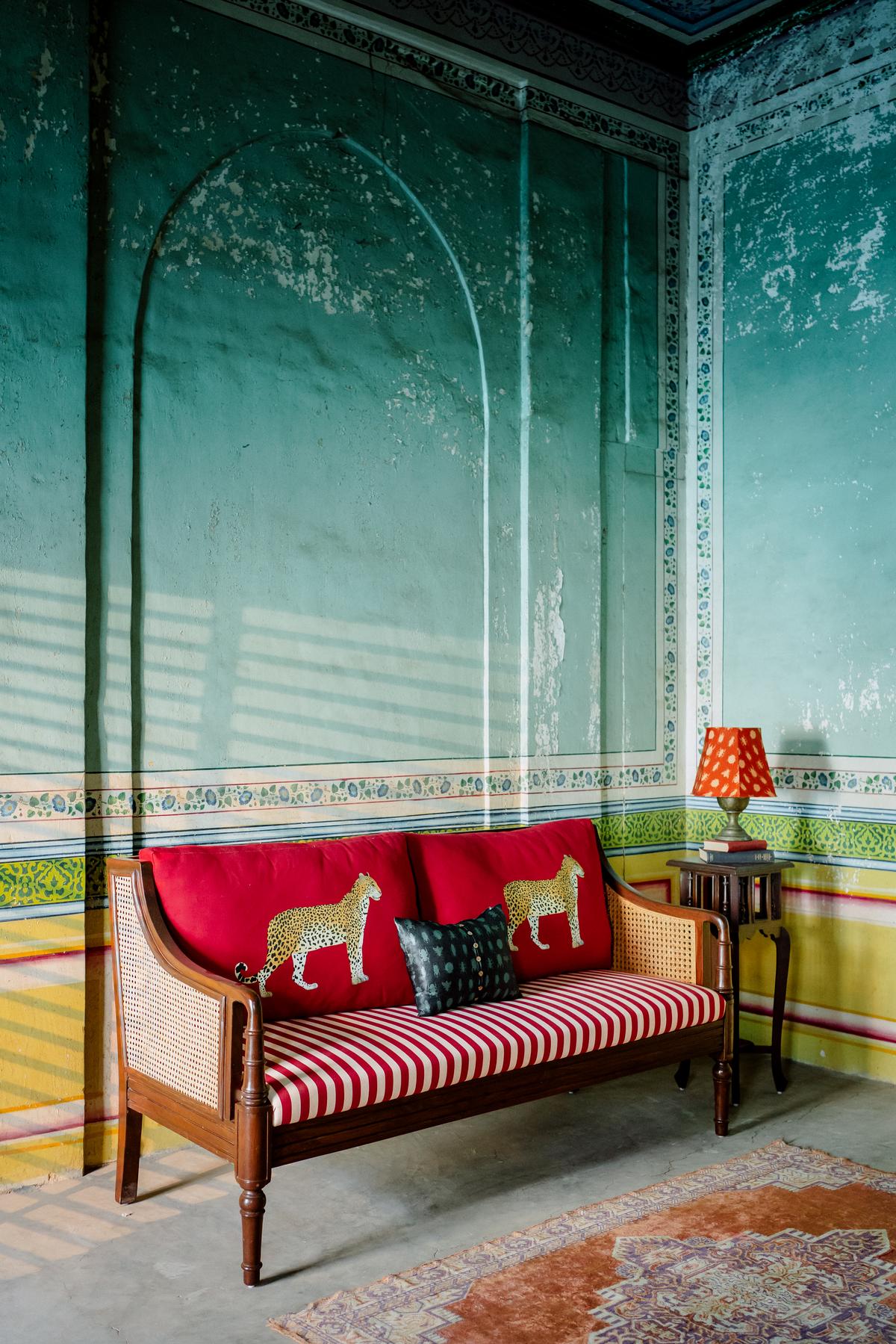
Having been raised in Lunavada meant that each piece of furniture and each corner of the palace had a story to tell. The furniture range is deeply personal, a reinterpretation of the pieces I have grown up living with. They reflect the proportions, craftsmanship, and detailing I have admired since childhood, but with a modern touch. My background in furniture design from Florence helped me marry old-world charm and modern sensibilities, resulting in timeless pieces that feel both rooted yet relevant.
The furniture pieces in this collection are inspired by objects I have grown up with in my home. These include hat stands, bedside tables, planter holders, beds, and rocking chairs, forms that are both familiar and functional. The hat stand references the one placed in the foyer, which still holds my grandfather’s hats. The rocking chair draws from a piece my grandmother used regularly, retaining its sense of comfort and familiarity. The planter holder is designed as a versatile element that can fit into different settings while maintaining a simple, elegant presence.
Some pieces also incorporate elements from my artwork. For instance, the seating unit uses leopard motifs from my paintings, adapted into the upholstery. Overall, the furniture combines personal references with practical design, translating everyday objects from my surroundings into cohesive pieces within the collection.
The materials used are primarily mango wood and teak, chosen for their durability and familiarity within the space. The collection also includes dessert stands paired with ceramic plates, adding a functional and decorative element that complements the rest of the furniture. Overall, the approach focuses on retaining existing forms, materials, and motifs, while adapting them into a cohesive and usable collection. The structure reflects a mix of influences, including colonial elements alongside aspects of Rajasthani architecture, such as the use of Udaipur sandstone. Additional details include imported tiles from Italy and an extensive presence of hand-painted glasswork.
Are you supporting any artisanal craft(s) or handmade techniques in your products?
Indeed, Loonawara is all about design. The Mashru fabric, which we use for our prints, is handwoven by artisans in Kutch, and many of our textiles boast of hand-embellished or hand-finished detailing. The brand is built in collaboration with skilled craftspeople to bring traditional techniques into a modern design language to ensure that every product is reflective of authenticity, but with a human touch. Although we do use digital printing to interpret our designs, all the embroidery work and tailoring are done by skilled artisans.
Why should one choose Loonawara for their home?
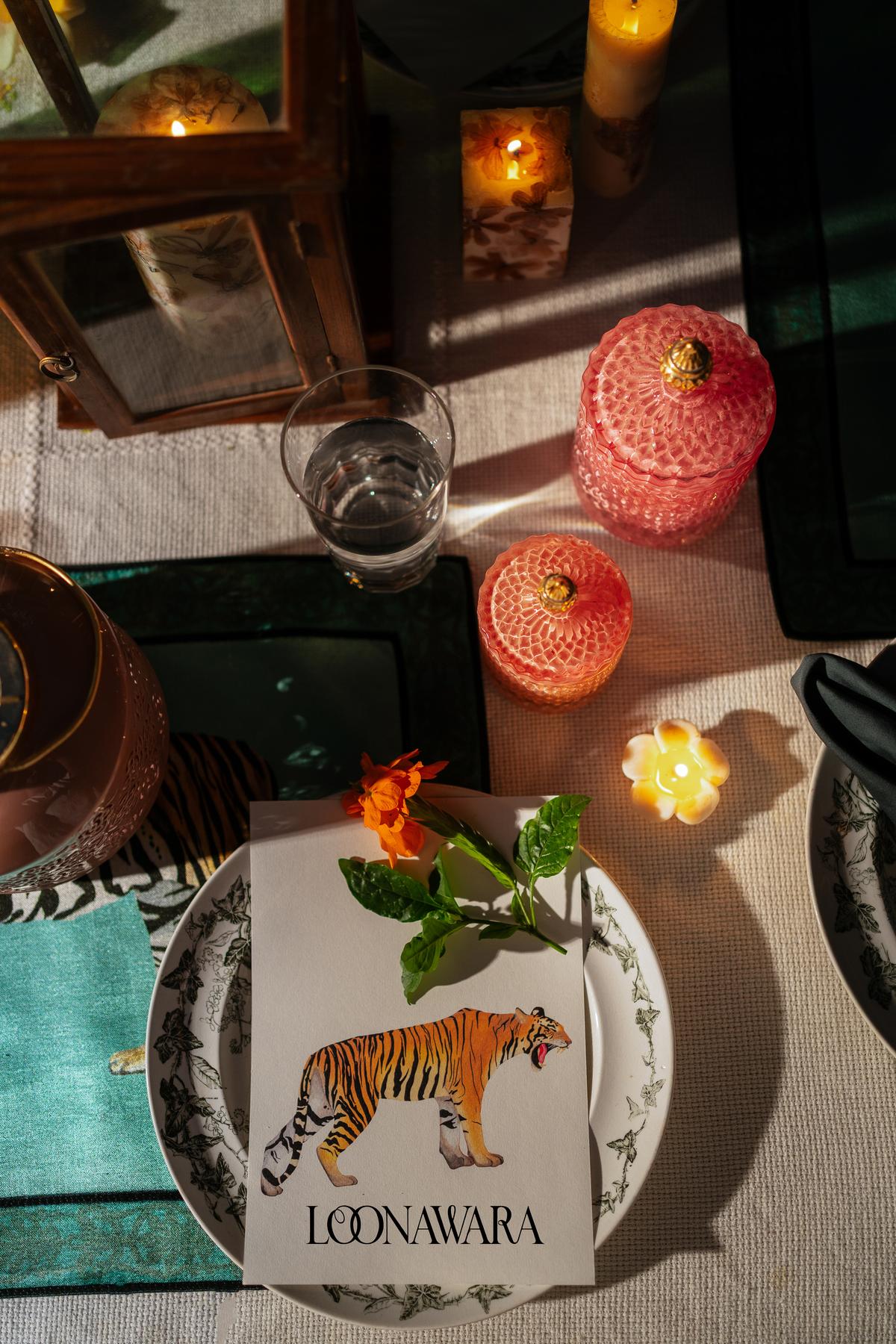
Loonawara is more than a brand, it is a continuation of stories that began centuries ago. It is about preserving a legacy while creating something meaningful and relevant today. Each piece is crafted with care, inspired by memories, and designed to bring in a touch of art, heritage, and soul into everyday living and modern homes. Loonawara stands apart for its authenticity, cultural depth, and enduring style. Choosing Loonawara is bringing home a piece of living history, reinterpreted through the lens of modern luxury and personal artistry.
The Bengaluru-based freelance writer is passionate about all things design, travel, food, art and culture.
Published - March 28, 2026 06:00 am IST

Sign in to unlock member-only benefits!

| # | Наименование новости | Тональность | Информативность | Дата публикации |
|---|---|---|---|---|
| 1 | Rattan gets a new weave: Bengaluru’s Veyari turns cane furniture into embroidered art | 0 | 10.4 | 17-04-2026 |
| 2 | This Chennai home celebrates craft and quiet luxury | 0 | 9.15 | 24-07-2026 |
| 3 | The rug renaissance: How designer collaborations are transforming India’s luxury | 0 | 14.63 | 22-06-2026 |
| 4 | Anvaya in Chennai: Exhibition brings Indian craft traditions into everyday living | 0 | 13.57 | 02-05-2026 |
| 5 | Dining room trends 2026: How Indian families are reimagining the heart of gathering | 0 | 14.79 | 13-06-2026 |
| 6 | Inside Neytt Homes in Delhi: The Kerala brand behind the MET Gala carpet | 0 | 10.97 | 16-05-2026 |
| 7 | The future of Indian fashion is taking shape in Paris | 0 | 9.78 | 21-07-2026 |
| 8 | How One Local Designer Turned Her Unfinished Basement Into an Art-Centric $200,000 Home Gym | 0 | 9.6 | 09-07-2026 |
| 9 | The Handmade World of Netflix’s New ‘Little House on the Prairie’ Series | 0 | 5 | 10-07-2026 |
| 10 | Mumbai has a new contemporary art gallery: Inside Gallery Maxima | 5 | 7 | 08-07-2026 |