Просмотр новости
Найдите то, что Вас интересует
 Спутники
 РН
РН SpaceX
 Роскосмос
 NASA
NASA
СпутникиРНSpaceXРоскосмосNASARaise The Bottom recognizes that no two cases of opioid use disorder are identical.
Raise The Bottom recognizes that no two cases of opioid use disorder are identical.

Opioid addiction continues to affect individuals, families, and entire communities across Idaho. For many, the path to recovery is not linear. Cycles of relapse, withdrawal, and short-term stabilization often leave individuals feeling stuck without sustainable progress.
Article continues below advertisement
Raise The Bottom is addressing this challenge through structured, personalized outpatient treatment programs designed specifically for opioid use disorder. By combining medication-assisted treatment with coordinated counseling and accountability measures, the organization focuses on long-term stability rather than short-term interruption.
The Complexity of Opioid Use Disorder in IdahoOpioid addiction is shaped by multiple variables: prescription pain medication exposure, heroin use, synthetic opioids, untreated mental health conditions, chronic pain, and social stressors. In Idaho, rural healthcare access barriers and delayed intervention can intensify the progression of dependence.
Article continues below advertisement
Raise The Bottom recognizes that no two cases of opioid use disorder are identical. Standardized treatment models often overlook the personal, medical, and environmental factors that influence relapse risk. Instead, the organization begins with a comprehensive assessment to identify substance use history, co-occurring conditions, and real-world challenges that may affect recovery.
This individualized approach positions treatment as a coordinated medical process rather than a generalized behavioral intervention.
Article continues below advertisement
Treatment planning at Raise The Bottom is grounded in detailed clinical assessment. Before determining the course of care, providers evaluate the full scope of each individual’s history and current needs.
Assessment includes:
Article continues below advertisement
As an established opioid addiction treatment center in Idaho, Raise The Bottom integrates medication services and counseling within a coordinated outpatient framework. This alignment ensures that stabilization efforts and behavioral therapy operate together rather than as disconnected services.
By tailoring medication protocols, therapy frequency, and accountability structures to the individual, the program strengthens engagement and improves long-term treatment retention, both essential factors in breaking the cycle of opioid misuse.
Article continues below advertisement
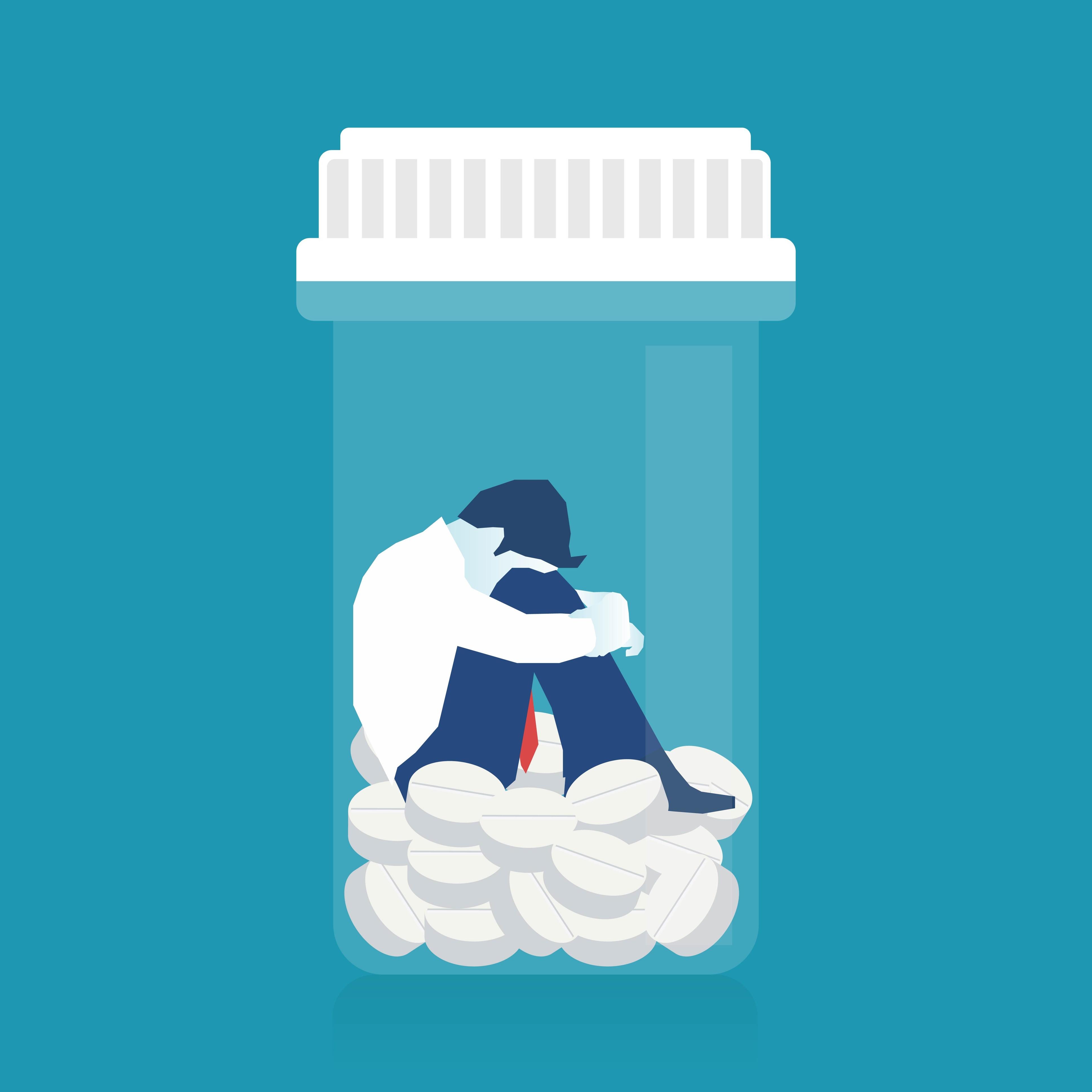
Medication-assisted treatment (MAT) is a cornerstone of evidence-based opioid recovery. When used appropriately, it reduces withdrawal symptoms, lowers cravings, and decreases the risk of overdose.
Article continues below advertisement
Raise The Bottom provides structured access to FDA-approved medications, including:
These medications are administered and monitored within a clinical setting to reduce withdrawal symptoms, manage cravings, and decrease overdose risk.
Article continues below advertisement
Importantly, MAT at Raise The Bottom is integrated into a broader behavioral health framework. Medication serves as a stabilization tool, allowing individuals to engage consistently in therapy, employment, and family responsibilities while reducing the physiological drivers of relapse.
This coordinated medical oversight aligns with national best practices for opioid treatment.
While medication-assisted treatment stabilizes the physical aspects of opioid dependence, long-term recovery requires meaningful behavioral and emotional change. Raise The Bottom integrates structured therapeutic services into every personalized treatment plan to address the cognitive patterns and environmental triggers that contribute to relapse.
Article continues below advertisement
Therapeutic services may include:
These safeguards function as protective measures rather than punitive controls. By maintaining consistent oversight, clinicians can identify challenges early and adjust treatment plans accordingly.
Article continues below advertisement
Outpatient opioid treatment requires consistency to remain effective. At Raise The Bottom, personalized plans establish clear attendance expectations, medication monitoring, and measurable progress benchmarks to support sustained engagement.
Structured elements may include regular clinical evaluations, drug screening for safety and accountability, scheduled treatment plan reviews, and care coordination when practical barriers arise. These safeguards reinforce recovery goals while allowing individuals to remain active in work, family, and community life.
Article continues below advertisement
By operating in multiple locations across Idaho, Raise The Bottom expands access to evidence-based opioid treatment in both urban and surrounding communities. Stabilizing individuals through coordinated medication and counseling services contributes to broader public health outcomes, including improved employment stability and strengthened family systems.
Prevention and early intervention are also important parts of the broader behavioral health landscape. Care models developed for adolescents, including troubled teens programs, often address behavioral and emotional challenges before they develop into more severe substance use disorders later in life.
Article continues below advertisement
Recovery is rarely immediate. It develops through incremental progress supported by clinical reassessment and structured guidance. Personalized treatment planning acknowledges this reality, emphasizing long-term engagement rather than short-term intervention.
ConclusionBreaking the cycle of opioid abuse requires more than temporary detoxification. It requires individualized assessment, medication stabilization when appropriate, integrated therapy, and structured accountability within a coordinated outpatient framework.
Through personalized treatment planning and evidence-based medication services, Raise The Bottom continues to strengthen access to comprehensive opioid recovery care across Idaho. In a landscape where sustained engagement is critical, individualized outpatient models remain an essential component of long-term stability for individuals and families affected by opioid use disorder.
| # | Наименование новости | Тональность | Информативность | Дата публикации |
|---|---|---|---|---|
| 1 | More women than men seeking help for crack cocaine addiction at national centre, report finds | 0 | 8.75 | 11-08-2026 |
| 2 | Jason Draizin and Dr. John Huber Launch Ketamine Workbook During Memorial Day | 0 | 9.32 | 28-05-2026 |
| 3 | People Are Talking About “Ozempic Personality” — But Is It Real? | 0 | 9.15 | 20-04-2026 |
| 4 | The CDC Sounds the Alarm as Cases of Drug-Resistant Salmonella Rise Among Children | 0 | 15.73 | 28-04-2026 |
| 5 | Подбор психологов для Benefit Program | 0 | 8.4 | 13-11-2025 |
| 6 | Время больших надежд: о фильме "Бондарчук. Battle" | 0 | 0 | 30-09-2021 |
| 7 | Врач развеяла главный миф о лечении похмелья | 0 | 10 | 01-08-2026 |
| 8 | Opinion: Limb girdle muscular dystrophy patients face a maddening reality | 0 | 9.44 | 31-07-2026 |
| 9 | "Расхламление" по-русски: как тренд влияет на психологическое состояние | 0 | 0 | 30-09-2021 |
| 10 | Подбор психологов для сотрудников СВОИ | 0 | 8.4 | 18-12-2024 |